Torn between a beautifully preserved Craftsman and a sleek new build in Palo Alto? It is a common crossroads for local buyers, especially when land values are high and inventory is tight. You want the right blend of character, function, and long‑term value without surprises. This guide compares layout, energy and code issues, maintenance risks, remodel potential, and resale so you can move forward with clarity. Let’s dive in.
The decision at a glance
- Character homes offer charm and prime, walkable locations; new builds deliver modern layouts and turnkey efficiency.
- Older layouts can be compartmentalized; mid‑century homes are open yet may lack defined office or guest spaces; new builds maximize light, storage, and flexible rooms.
- New construction meets current energy codes and often includes solar and EV‑ready features; older homes may need insulation, window, and HVAC upgrades.
- Permitting, historic review, and design standards shape what you can change and how fast you can do it.
- In many micro‑markets, both restored character homes and well‑executed rebuilds sell quickly when aligned with neighborhood context and buyer demand.
Architecture and lifestyle in Palo Alto
Historic character homes
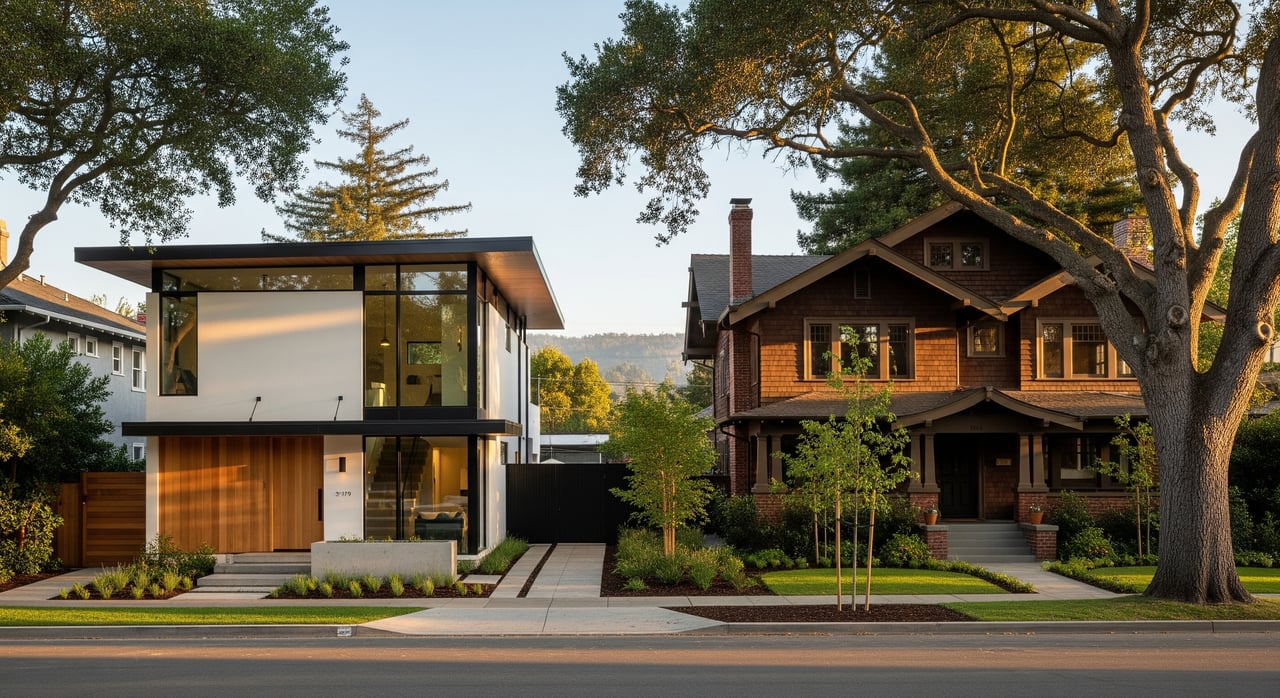
In neighborhoods like Professorville, Old Palo Alto, Crescent Park, and College Terrace, you will find early‑20th century Craftsman, bungalow, and Victorian‑era homes with period details, mature trees, and proximity to downtown and Stanford. Interiors often feature built‑ins, hardwood floors, and defined living and dining rooms. The feel is timeless and intimate, which many buyers value in established blocks.
Mid‑century and Eichler style
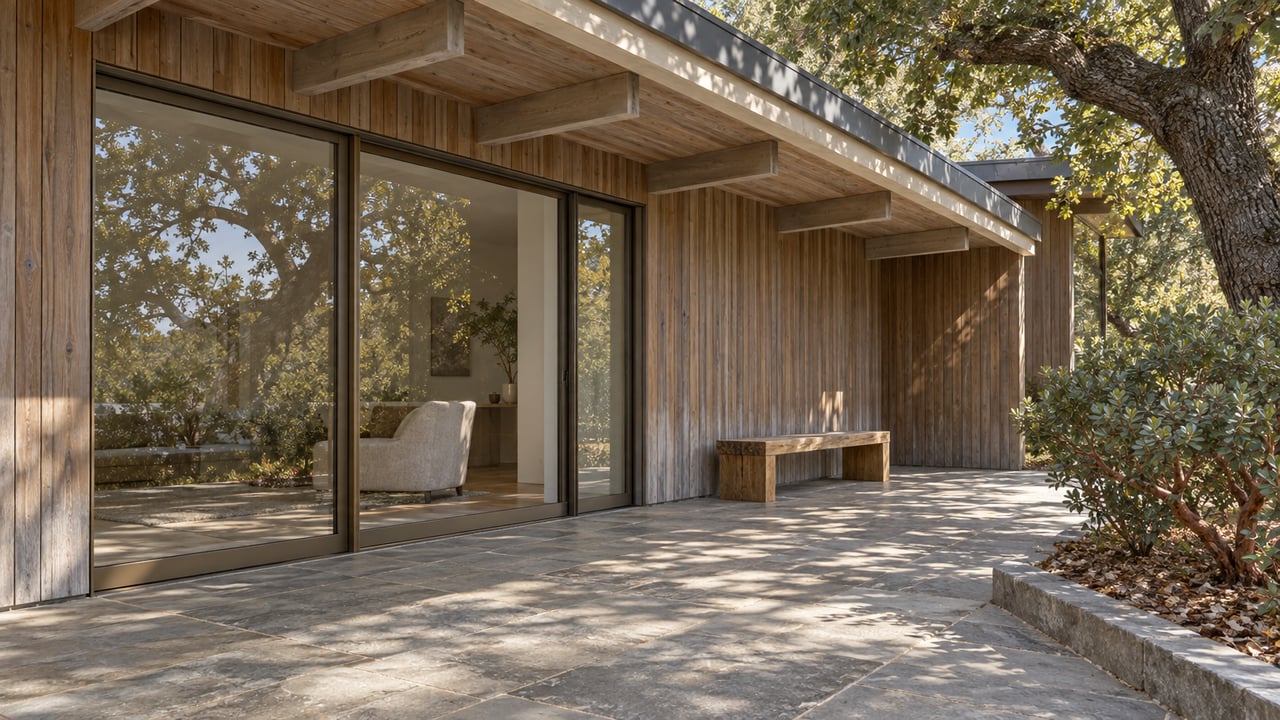
Fairmeadow, Green Acres, and parts of South Palo Alto include mid‑century and Eichler tracts known for open plans, floor‑to‑ceiling glass, and indoor‑outdoor flow. Many are single‑story with slab foundations and radiant heat or wall heaters. The design is airy and casual, though these homes may not include today’s preferred office or guest suite configurations.
New construction today
Recent rebuilds and custom homes prioritize great rooms, modern kitchens, dedicated home offices, larger primary suites, and higher ceilings. You will often see attached garages designed for EVs and integrated smart systems. These homes feel bright and flexible, which suits work‑from‑home and multi‑purpose living.
Match layout to your life
- Need a quiet office or guest suite away from bedrooms? New builds often solve for this. Some older homes can be reconfigured, but plan on permit review.
- Prefer single‑story living? Many Eichlers and bungalows fit this better than multi‑level rebuilds.
- Want storage, a large garage, and mechanical space? New construction tends to deliver more capacity out of the box.
Energy, code, and resilience
What new construction delivers
New builds in California must meet current building and energy standards, commonly known as Title 24. These rules push better envelope performance, efficient HVAC, and often rooftop solar for new single‑family homes. The result is lower near‑term operating costs and features such as EV‑ready circuits. You can review statewide standards on the California Energy Commission’s page on the Building Energy Efficiency Standards.
Upgrading an older or mid‑century home
Older homes may have single‑pane windows, limited insulation, older HVAC, and gas appliances. Typical upgrades include attic and wall insulation where accessible, window replacements or retrofits, heat‑pump HVAC and water heating, and duct sealing. In mid‑century post‑and‑beam designs with slab foundations, some retrofits are more complex, so scope and cost can vary. Palo Alto residents can explore local electrification support through City of Palo Alto Utilities.
Seismic priorities
New construction incorporates modern seismic design and foundation work. Older homes may need anchoring, bracing, or foundation repair to reduce earthquake risk, which can be significant but is often a smart long‑term investment. For general guidance on earthquake resilience, see FEMA’s overview of earthquake risk management.
Maintenance and inspection focus
Older homes: common projects and risks
Expect periodic roof, gutter, and flashing work depending on age. Mechanical systems such as furnaces, water heaters, and electrical panels may need upgrades; very old wiring or galvanized plumbing can raise flags. Termite and wood‑rot repair is common, as are foundation settlement evaluations and sewer lateral checks.
New construction: what to verify
You are less likely to face major system replacements in the first decade, but construction quality varies. Review builder warranties, check for workmanship and materials standards, and look for signs of early settling. Plan for landscape maturation and confirm site drainage is functioning correctly.
Your Palo Alto inspection checklist
- Full home inspection covering structure, roof, HVAC, plumbing, and electrical.
- Sewer lateral inspection and any local compliance documentation.
- Termite and wood‑destroying organism inspection.
- Foundation and seismic anchoring review, especially for older or slab‑on‑grade mid‑century homes.
- For historic or potentially landmarked homes, confirm any preservation easements or historic overlays that limit exterior changes.
Remodel potential, ADUs, and preservation
Zoning, FAR, and design review
Palo Alto’s residential zoning, floor‑area limits, and neighborhood compatibility standards shape what you can add or alter. Larger additions or second stories often trigger more review. Start with the city’s Planning & Development Services to understand setbacks, FAR, height, and tree rules for your lot.
Historic designations and review
Homes listed as historic landmarks or within designated districts face additional review for exterior changes. Even non‑designated homes in historic neighborhoods can see more scrutiny. The Palo Alto Historical Association is a useful resource for neighborhood context, and the city maintains a Historic Resources Inventory that buyers should consult during due diligence.
ADUs as a value lever
State law has made it easier to add accessory dwelling units, and Palo Alto implements local standards for size, setbacks, and design. ADUs can add flexibility for guests, offices, or potential rental income where allowed. For statewide guidance, review the California Department of Housing and Community Development’s page on Accessory Dwelling Units.
Timelines and scope
Deep renovations of older structures often uncover additional work and take longer due to coordination with existing framing and systems. New builds require demolition permits, plan review, and extensive site planning, so timelines are measured in months to a year depending on complexity. Either path benefits from early feasibility and a clear schedule.
How values tend to behave in micro‑markets
Character homes in core districts
Well‑located historic homes near downtown and Stanford often carry strong emotional appeal and mature lots. Buyers pay attention to how easily a home can be modernized without losing character. Condition and lot quality remain primary drivers of value.
Eichlers and mid‑century markets
Mid‑century homes draw buyers who value design authenticity, single‑story living, and indoor‑outdoor flow. Value depends on glass condition, systems, and whether updates respect the original aesthetic. Specialized work like radiant heat replacement or slab repairs can influence pricing.
New builds and recent rebuilds
Turnkey modern homes with efficient systems and flexible floor plans generally command higher per‑square‑foot prices and broad appeal. Quality of construction and neighborhood fit are key. On some streets, a well‑executed rebuild can reset comparables and lift values.
Resale and liquidity tips
In higher‑end Palo Alto segments, both restored historic homes and thoughtful new builds sell quickly when aligned with neighborhood context and priced to the market. Overbuilding relative to the block can narrow the buyer pool. Focus on scale, design, and functionality that match the immediate area.
A decision framework you can use
- Define non‑negotiables: office needs, bedroom adjacency, single‑story preference, garage capacity.
- Map your timeline: move‑in date, tolerance for a remodel, and contingency housing if renovating.
- Model total cost of ownership: energy use, likely upgrades, seismic work, and maintenance over 5 to 10 years.
- Verify the permit path: zoning, FAR, potential historic review, and ADU feasibility.
- Use a resale lens: how your changes fit neighborhood norms and likely buyer preferences in your micro‑market.
If you want a clear, data‑backed plan for your next move, let’s talk. From early feasibility and off‑market access to negotiation and white‑glove closing, Stephanie Von Thaden can help you compare options and act with confidence.
FAQs
What are the biggest layout differences between Palo Alto historic homes and new builds?
- Historic homes often have smaller, defined rooms; new builds favor open great rooms, larger primary suites, and dedicated office spaces.
How do California energy codes affect new construction in Palo Alto?
- New homes must meet Title 24 standards that drive better insulation, efficient HVAC, and often solar, which generally lowers operating costs.
What energy upgrades make the most impact in older Palo Alto homes?
- Insulation, window upgrades or retrofits, and converting to heat‑pump HVAC and water heating typically provide strong comfort and efficiency gains.
What inspections are most important for an older or mid‑century home in Palo Alto?
- In addition to a full home inspection, prioritize sewer lateral, termite, foundation and seismic anchoring, and electrical and plumbing system reviews.
How do historic reviews and zoning in Palo Alto influence remodel plans?
- Floor‑area limits, design review, and potential historic restrictions shape scope and timelines, so confirm feasibility with city planning before design work.
Can I add an ADU to an older Palo Alto property?
- Often yes, subject to state ADU rules and local standards on size, setbacks, and design; verify details with city planning early in the process.