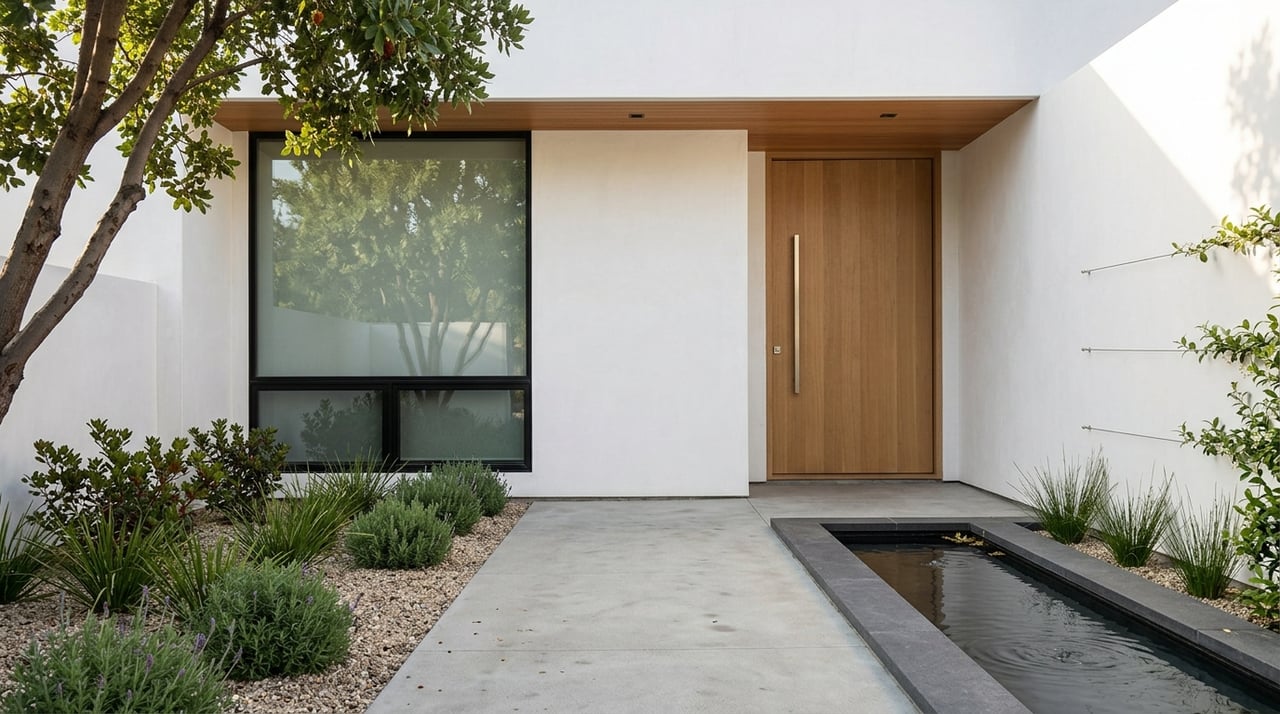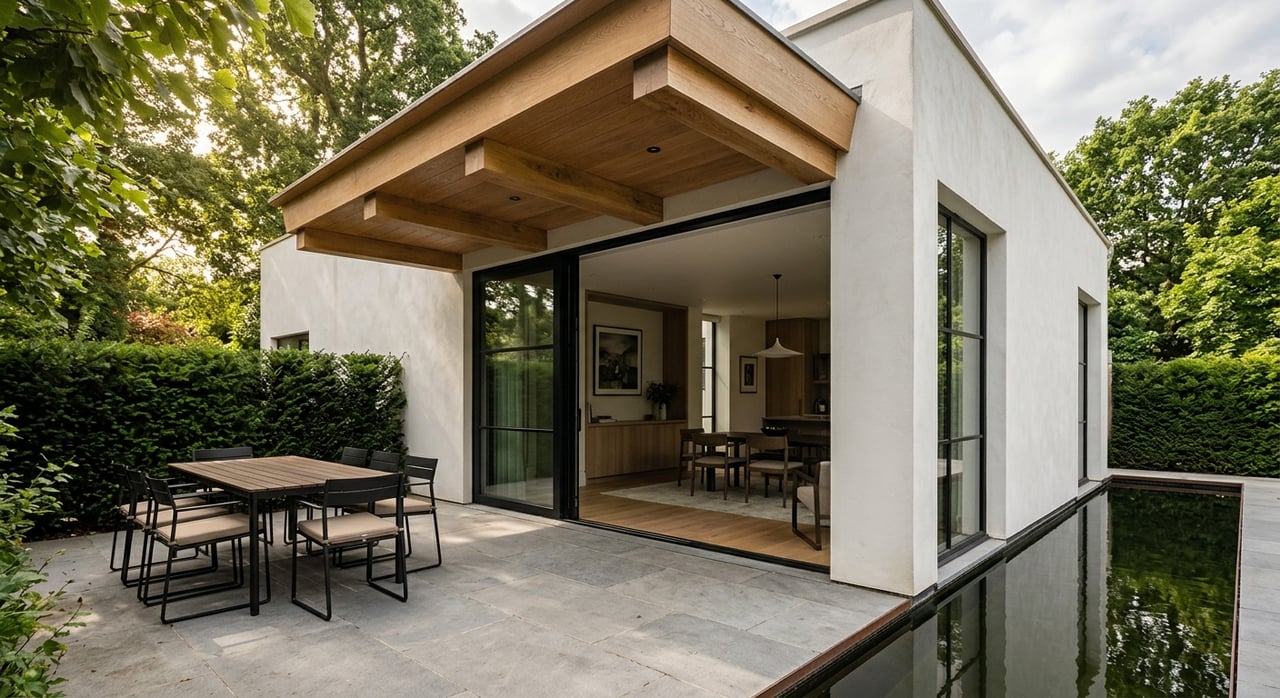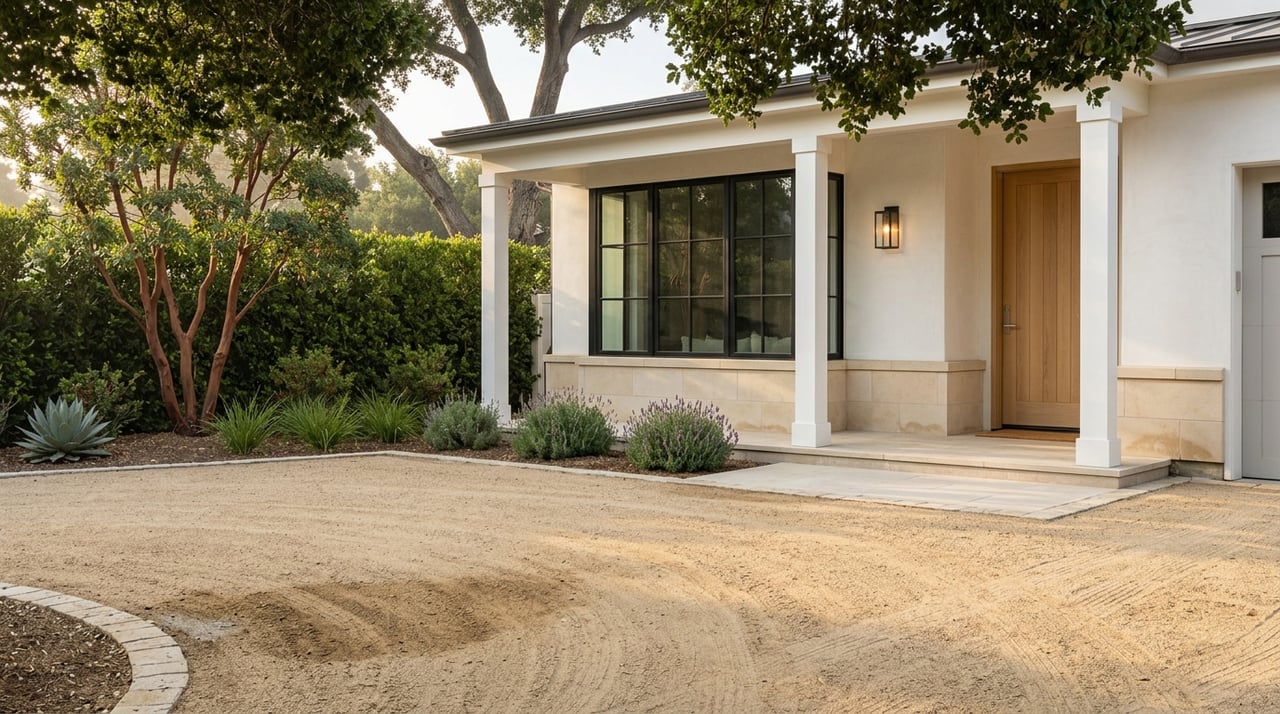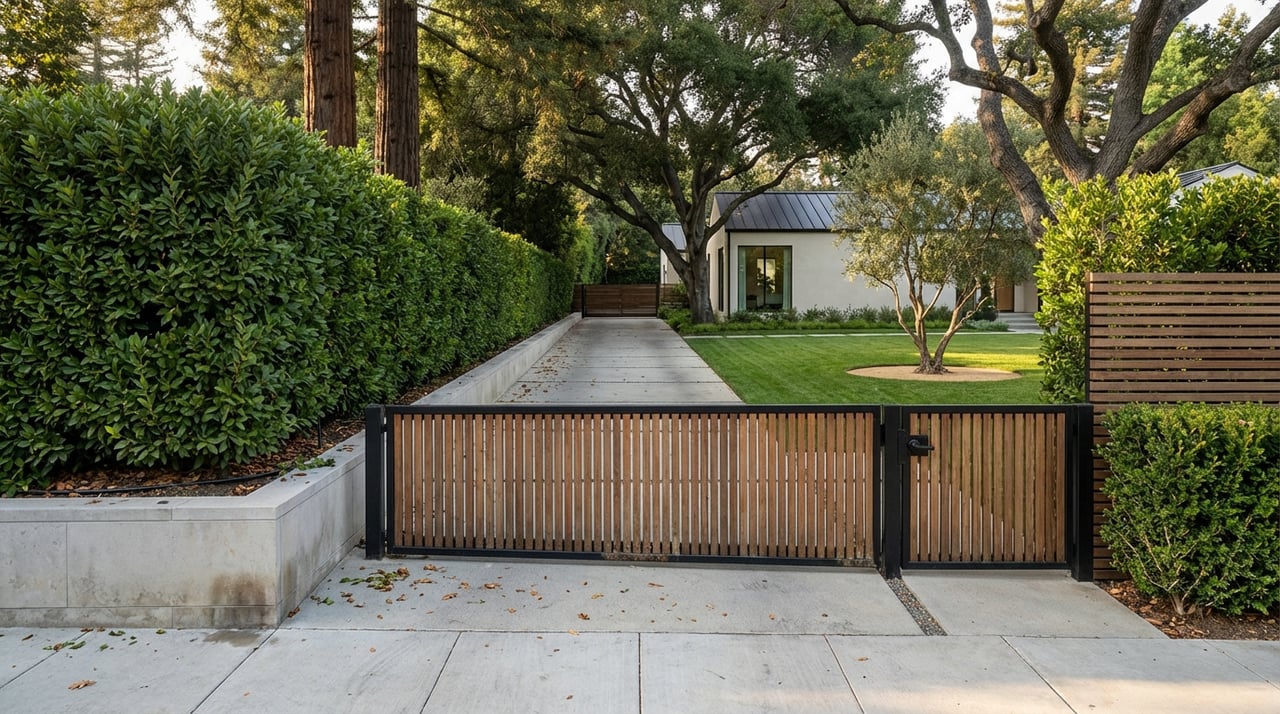
What makes an Atherton estate feel truly private is not only the house. It is the lot beneath it, the setbacks around it, and the trees and screening that frame every view. If you are considering a purchase or planning a remodel, you likely want seclusion, design flexibility, and strong resale. This guide shows you how lot size and privacy rules in Atherton shape what you can build, how you live, and how buyers value your property. Let’s dive in.
Atherton lot size basics
Atherton’s estate character starts with lot size. For most parcels with gentle slopes, the minimum lot area is 1.0 acre with minimum width and depth standards. These subdivision rules set the baseline for the town’s scale and spacing. You can review the specific lot area and dimension table in the Town code for details on slope categories and measurements in Atherton Municipal Code 16.24.050.
State law created a path for some urban lot splits, and Atherton adopted objective standards to implement it. The Town’s SB 9 chapter lists eligibility, exclusions, and limits, which means a split may be possible on certain parcels but is not automatic. If a lot split is part of your long‑term plan, start with the Town’s objective criteria in Chapter 17.53.
Setbacks and FAR drive design
The primary single‑family district in Atherton (R‑1A) sets a clear development envelope. For lots 1 acre and larger, the maximum floor area ratio is 18 percent. Typical front and rear yard setbacks are 60 feet, with height and sidewall standards that influence massing and placement. You can confirm these standards in Atherton Municipal Code 17.32.040.
In practical terms, a 1.0‑acre lot allows a main house up to about 7,840 square feet at 18 percent FAR. Accessory buildings are further limited to about 1,200 square feet per acre, separate from the main house allowance. These two numbers do most of the work in shaping your estate layout. They determine where the house sits, how you size a pool house or studio, and how much program fits before you need discretionary relief.
Accessory buildings, pools, and courts
Accessory buildings have their own setback and height rules. In most cases, they must be at least 10 feet from side and rear lines and either 120 feet from the front or 30 feet behind the front of the main house, whichever is less. They are typically limited to one story and specific height limits, and must be separated from the main structure. See the placement and separation rules in Section 17.40.040.
Pools, spas, and athletic courts are treated as accessory uses with special siting and operational rules. Pools usually belong within the accessory area, with minimum setbacks from lot lines. Expect shielding requirements for lighting and operating hour limits for pool equipment to reduce noise. Courts outside the normal accessory zone, and pools placed in front of the main house line, often require a Special Structure Permit with planning commission review. Review the accessory‑type standards in Section 17.40.050 and plan early if you anticipate a permit that needs public noticing and findings.
How this shapes your plan
- Cluster recreation toward the rear interior of the lot when possible. It simplifies approvals and reduces sound and light spill.
- Reserve side yards for screened service zones like generators and pool equipment, placed to meet setbacks and noise limits.
- Keep an eye on cumulative accessory square footage. A large garage plus a pool house can hit the cap faster than you think.
ADUs and guest spaces
If you plan a separate dwelling space with a kitchen, it will be treated as an ADU. Detached ADUs up to 800 square feet can be as close as 4 feet from side and rear lines, while larger ADUs have different placement and height conditions. On lots of 2 acres or more, a deed‑restricted bonus ADU may be allowed under specific terms. Because ADU rules interact with accessory limits and setbacks, confirm your path early in design. Start with the town’s ADU standards in Section 17.52.040.
If you want a guest suite without a kitchen, it may qualify as an accessory building instead of an ADU. In that case, the accessory area cap and setbacks in Section 17.40.040 will guide size and placement. Clarify your intended use up front so the correct rules apply.
Privacy tools that work
Atherton emphasizes landscape over fortress‑style walls. Standard fence and wall height along property lines is typically capped at 6 feet. On some regulated streets, measurement methods allow different outcomes, and taller gate posts may be permitted with conditions. Fences above 6 feet must be visually screened with plantings at the time of construction. These details are in Section 17.46.030.
Mature trees are a defining privacy asset and a key constraint during construction. Heritage trees are protected, and removal or major work requires permits, protection zones, and often mitigation planting. The Town Arborist manages these reviews and publishes standards and applications. Before you design around or remove a large tree, review the Town’s guidance and permit process through Atherton Arborist Services and Tree Protection.
Layered screening in practice
- Combine a modest fence with dense evergreen hedging to create an immediate visual barrier.
- Use multi‑tier plantings and specimen trees to break sightlines between second‑story windows on neighboring parcels.
- Place gates and pilasters to establish privacy at the driveway while respecting sight‑distance and height rules.
How privacy shapes value
Privacy is not just comfort. It shows up in pricing. Academic studies find that tree cover and quality landscaping are capitalized into home values, often as single‑digit percentage premiums that improve marketability. If you inherit mature, healthy trees and established hedges, you reduce the buyer’s time to privacy and can position your listing accordingly. Read a summary of tree cover price effects in this peer‑reviewed synthesis.
Private access can matter as well. Research documents a measurable premium for gating and privacy features in high‑end suburban markets. Atherton is not a gated community, but estate‑scale gating and deep setbacks produce a similar sense of exclusivity that many buyers value. For a review of gating’s pricing impact, see this study of housing premiums.
The trade‑off is that heritage tree protections and objective standards limit how much you can reconfigure a site. That reality can temper expansion plans and influence negotiations. Buyers who prioritize privacy often pay more for parcels that already deliver mature screening, while sellers benefit from presenting a property that feels invisible from the street.
Parcel patterns to expect
While Atherton is small, its parcels vary by corridor:
- West Atherton and Selby Lane often host the largest, most private estates, many at or above one acre with some multi‑acre properties.
- Atherton Avenue and central corridors feature deep one to two‑plus acre lots with pools, guest spaces, and courts clustered toward the rear.
- East of Alameda and infill pockets show more variation and some legally nonconforming smaller lots due to older subdivision patterns.
Across subareas, the same factors drive feasibility: raw lot size and shape, the number and location of mature trees, existing accessory square footage, any permitted ADUs, and the geometry of setbacks. These determine how readily you can add a guest suite, relocate a pool, or orient a court without discretionary approvals.
Buyer and seller checklist
Use this quick framework during due diligence so privacy and program both pencil out.
- Confirm lot status. Verify slope category, recorded width and depth, and whether the parcel meets the subdivision table in Section 16.24.050. If a future split is on your radar, scan the objective standards in Chapter 17.53.
- Run the envelope math. Calculate main‑house allowance at 18 percent FAR and tally accessory square footage against the per‑acre cap in Section 17.32.040. Confirm whether any guest structures are ADUs under Section 17.52.040.
- Map tree constraints. Request heritage tree records, any arborist reports, and recent permit history. Factor in protection zones and potential mitigation using the Town’s Arborist Services.
- Flag permit triggers. Front‑yard pools, courts outside the accessory area, or oversized trellises can require a Special Structure Permit. Build review time into your schedule.
- Plan fences and gates early. Align proposed heights and siting with Section 17.46.030. Taller walls usually require immediate landscape screening.
- Set timeline expectations. Minor accessory work can be weeks to a few months. Discretionary permits that go to the planning commission often take multiple months, plus public noticing. Heritage tree permitting can add time.
Three scenario playbooks
Here are common Atherton planning scenarios and how lot size and privacy shape them.
1‑acre blank slate
You want a 7,000 to 7,800 square foot main house with a pool and a modest pool house. On a flat one‑acre lot, the 18 percent FAR can support the house size, while the accessory area cap suggests targeting a pool house around 800 to 1,200 square feet. Place the pool and structure behind the main house within the accessory area. Keep 10‑foot side and rear setbacks for the pool and structure, and plan equipment locations with noise and shielding in mind.
1.5‑acre lot with heritage trees
You plan a new main house plus a sport court. Large protected trees near the rear lot line compress the accessory area and influence court placement. Start by mapping tree protection zones and testing court siting inside the standard accessory envelope. If the ideal court location falls outside that area, anticipate a potential Special Structure Permit and design for robust landscape screening around the court.
2‑plus acres with a guest dwelling
You want a detached guest space that functions as a true second unit. Treat it as an ADU from the outset. A detached ADU up to 800 square feet may sit as close as 4 feet from side and rear lines. Larger ADUs require different setbacks and height limits. On lots of 2 acres or more, explore whether a deed‑restricted bonus ADU fits your goals under the Town’s standards in Section 17.52.040. Confirm how the ADU’s floor area interacts with your overall accessory program.
The takeaway
In Atherton, privacy is planned. Minimum lot sizes set generous spacing. FAR and setbacks define a clear building envelope. Accessory rules steer where pools, courts, and guest spaces belong. Fence and gate standards lean on layered landscape screening, while heritage trees both protect neighborhood character and shape what you can build. When you align your vision with these rules, you get an estate that feels secluded, functions well, and holds value over time.
If you would like a confidential, property‑specific strategy for your Atherton home or a parcel you are considering, connect with Stephanie Von Thaden. Request a Confidential Home Valuation and a tailored plan that aligns design, privacy, and resale.
FAQs
What is the typical minimum lot size in Atherton?
- For most gently sloped parcels, the code sets a 1.0‑acre minimum with width and depth standards; verify your parcel against the table in Section 16.24.050.
How big can I build on a one‑acre Atherton lot?
- In the R‑1A district, the main house is limited by an 18 percent FAR, which is about 7,840 square feet on one acre, with additional setbacks and height rules in Section 17.32.040.
Can I add a detached guest house or ADU in Atherton?
- Yes, but the path depends on use; a detached ADU up to 800 square feet can sit 4 feet from side and rear lines, while larger ADUs and non‑ADU guest spaces follow different rules in Section 17.52.040 and Section 17.40.040.
Where can I place a pool or sport court on my lot?
- Place them within the accessory area to simplify approvals; pools and courts outside that zone or in front of the main house line often need a Special Structure Permit under the standards in Section 17.40.050.
What are the fence and gate height rules for privacy?
- Standard fences and walls typically max at 6 feet, with taller entry posts allowed by permit and required landscape screening; see Section 17.46.030.
How do heritage trees affect remodeling or new construction?
- Heritage trees are protected; removal or major work requires permits, protection zones, and potential mitigation managed by the Town Arborist. Start with Arborist Services before you design around or remove a tree.