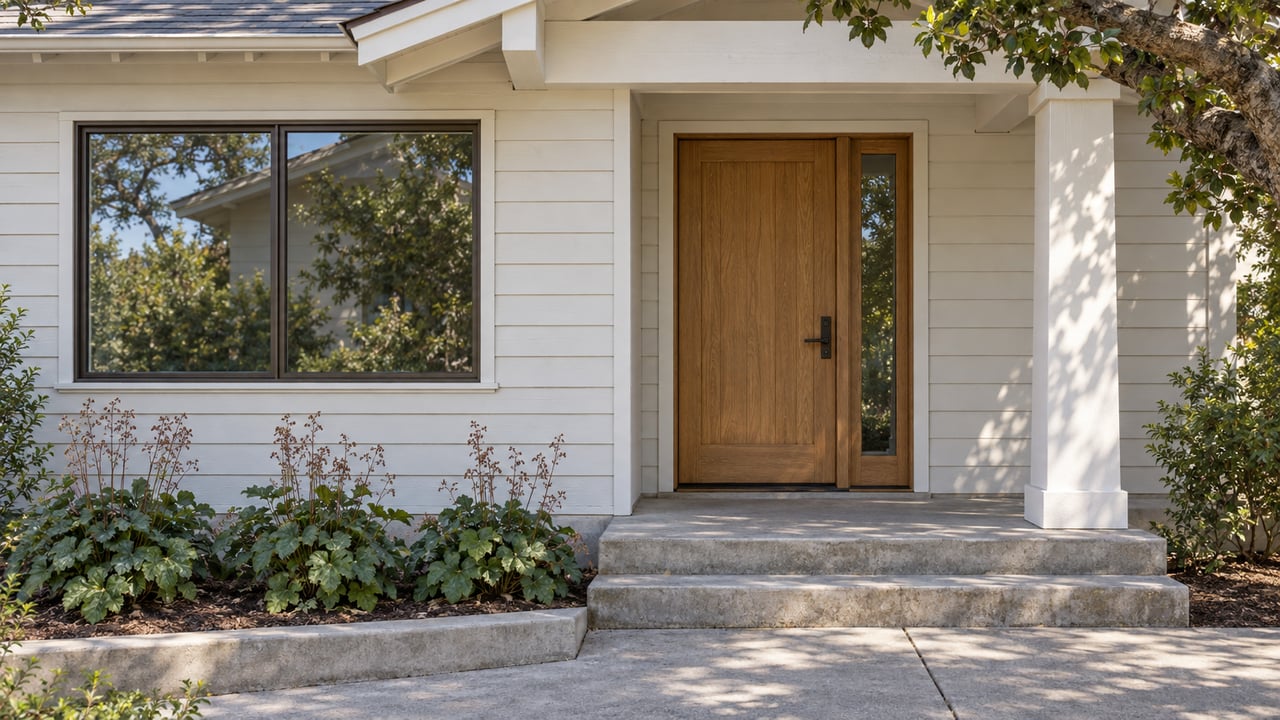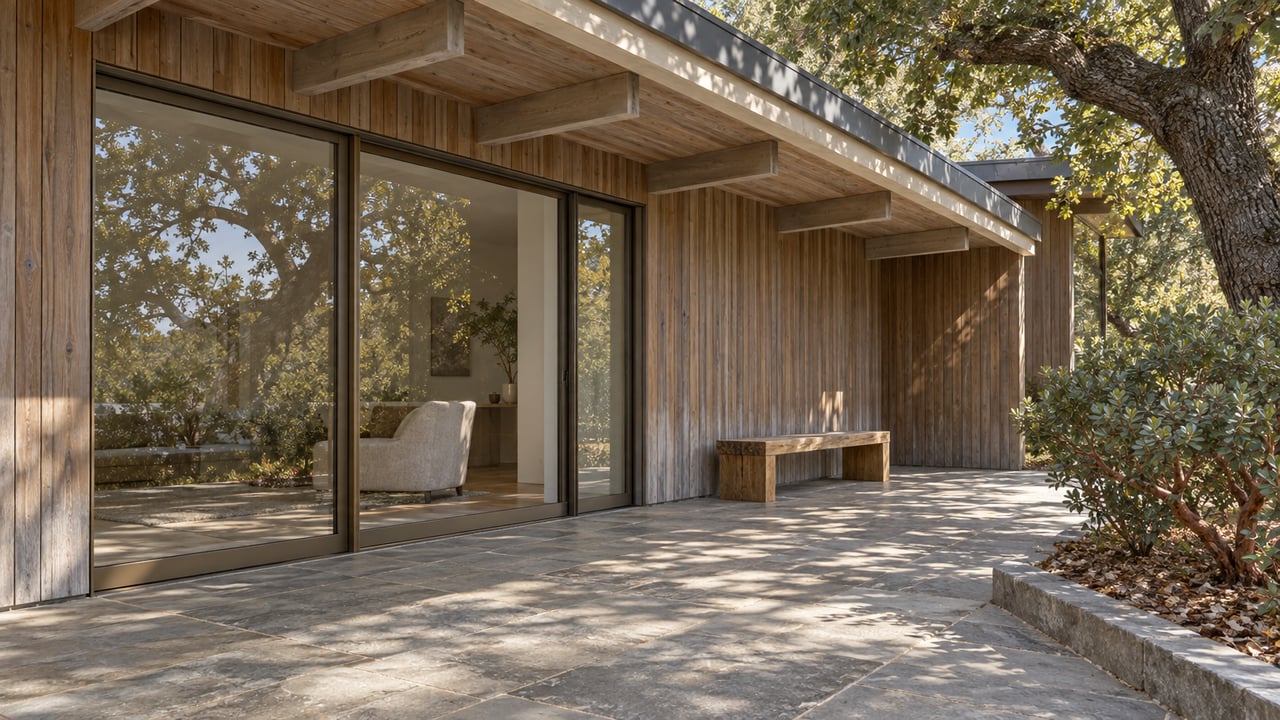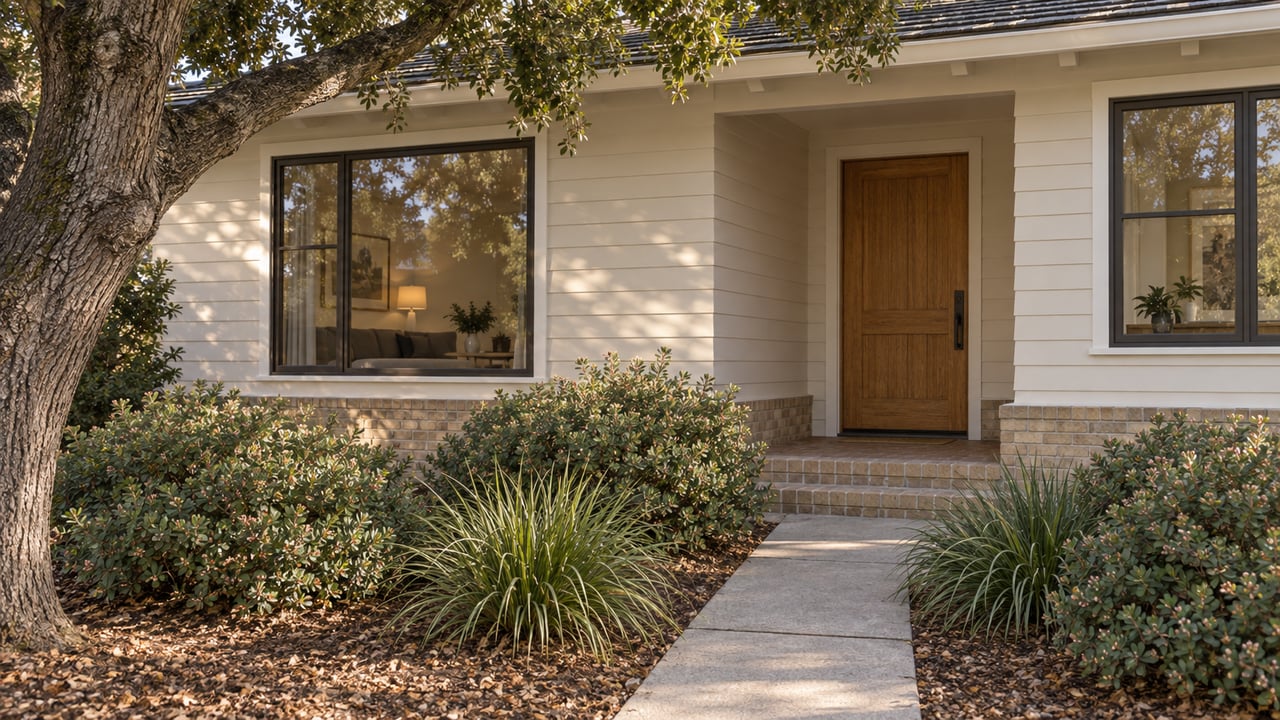
Picture this: morning light through oak branches, a quiet ride on a bridle path, and coffee on a terrace with ridge-line views. If you want space, privacy, and a true indoor-outdoor lifestyle without leaving the Peninsula, Woodside estates deliver. At the same time, they come with unique rules, utilities, and maintenance needs that shape daily life. In this guide, you’ll get a grounded look at what you gain, what to plan for, and how to decide if an estate in Woodside fits your goals. Let’s dive in.
Woodside at a glance
Woodside is intentionally low density. The town’s identity centers on large lots, open space, and equestrian culture preserved by long-standing land use policy. You can see this in the town’s planning documents, which emphasize rural character and limited growth in key areas. For background, review the town’s General Plan that guides Woodside’s open-space and low-density vision.
- Learn more: the town’s General Plan
Home values reflect scarcity and privacy. Recent snapshots show a median sale price around the mid to high seven figures as of early 2026. Inventory is limited, and every parcel is unique.
Commuting is realistic if you plan your schedule. Many residents balance hybrid work with trips to Palo Alto, Menlo Park, Stanford, and Sand Hill Road in roughly 10 to 25 minutes during off-peak hours. Travel time varies by time of day, route, and weather, so build a buffer on commute days.
Estate features you will see
Equestrian infrastructure
If horses are part of your life, Woodside is tailored for it. Many estates include barns, stalls, fenced pastures, arenas or round pens, tack rooms, and thoughtful wash and storage areas. The town supports equestrian access, but it is regulated. A private stable permit is required, and the rules cover site plans, turnout areas, water access, and manure management. There is also an exception process with density caps.
- Key reference: Woodside’s private stable standards and permit materials
Guest houses and ADUs
Detached guest houses, ADUs, and caretaker cottages are common on larger parcels. Woodside has an ADU program and pre-approved plans that can streamline design and permitting. You still need to follow town site rules and, in some cases, health or fire reviews.
- See the town’s ADU guidance and pre-approved plans
Outbuildings and hobby space
Many estates include workshops, equipment sheds, small agricultural structures, or space for hobby vineyards and beekeeping. These improvements typically pass through town review, and new barns or pastures fall under the stable rules.
Outdoor living and gardens
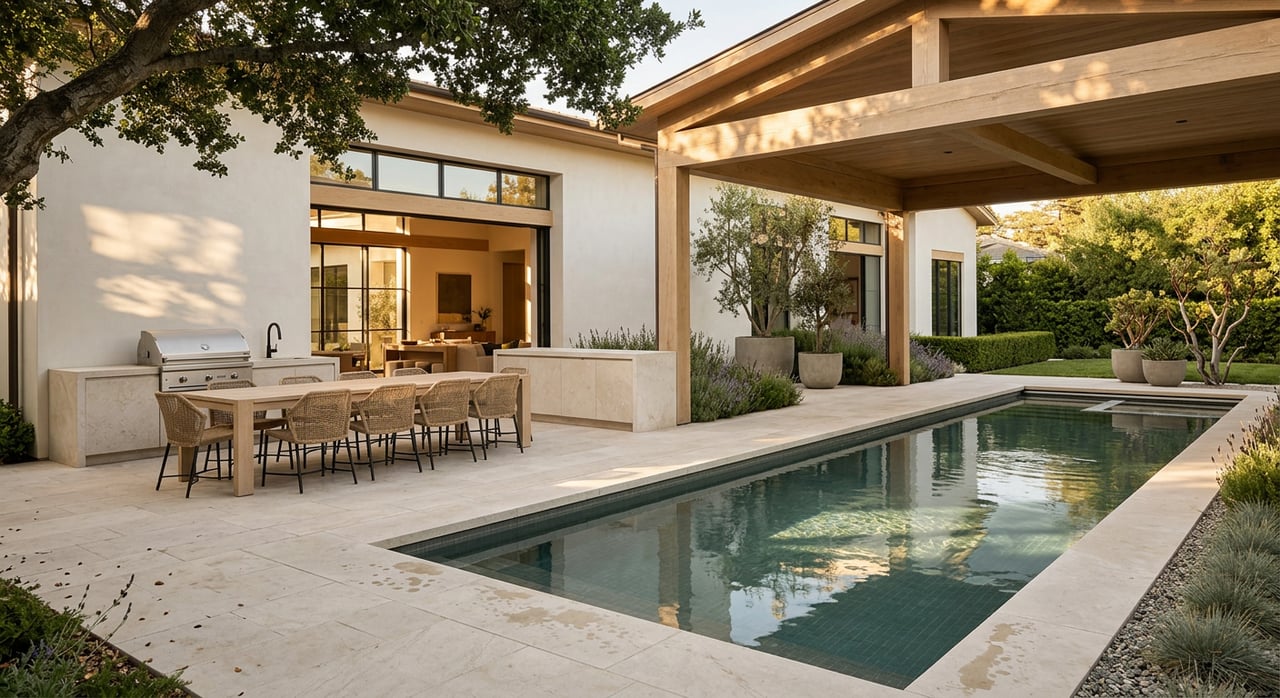
Pools, outdoor kitchens, fire features, and expansive terraces are standard on high-end parcels. Mature oaks and native landscaping define the Woodside look. For a public example of formal estate grounds, the gardens at Filoli give a sense of scale and presentation many owners admire.
Daily rhythm on acreage
Morning to evening
Estate life often starts early. You might saddle up for a quiet hack, jog a conditioning loop, or head into nearby open-space preserves for a longer ride. Afternoons can mean time by the pool, a garden check, or a walk with bay or ridge views. Evenings are made for alfresco dinners under the oaks.
Dining and social spots
Woodside’s village core is compact but beloved. Locals trade stories over breakfast at Buck’s of Woodside and gather for casual meals that double as community meetups. On weekends, many residents head up Skyline for wine tasting in the Santa Cruz Mountains AVA, including spots like Thomas Fogarty Winery.
Work and commute balance
Acreage gives you space for a real home office and studio, and hybrid schedules are common. When you do commute, time it to avoid the crunch. Many households keep a practical routine that combines school drop-offs, car shares, and off-peak travel to nearby job centers.
Utilities and access to confirm
Water, wells, and septic
Many Woodside estates rely on private wells and onsite wastewater systems rather than municipal water and sewer. Before adding bedrooms or planning a major build, confirm well capacity with a pump test and septic feasibility with percolation and site evaluations. In San Mateo County, Environmental Health oversees wells and OWTS, and testing can be seasonal, which can add months to your project timeline.
- Start here: San Mateo County Environmental Health land use, wells, and septic
Internet and power
Connectivity varies widely by street and elevation. Some pockets have cable or fiber, while ridge and Skyline properties may rely on fixed wireless or satellite. Always check exact address-level options and speeds before you buy.
- Check availability: local internet and TV service overview for Woodside
PG&E supplies electricity in most of Woodside. Long private driveways and steep access roads are common and can affect construction logistics, delivery schedules, and emergency access.
Permits and planning essentials
Most new structures, major remodels, barns, and driveways pass through town review. You will work with the Planning Department for site development permits and building permits, and you may encounter additional steps for equestrian facilities or larger land divisions. For sizable projects, discretionary review and environmental review can apply.
- Town resources: Woodside submittal checklists and forms
For equestrian improvements, stable permits set standards for turnout, water, and waste. For guest units, the ADU program can speed smaller projects if your site meets town criteria. On very large or complex projects, factor in environmental review timelines.
Costs, maintenance, and risk
Wildfire and insurance
Much of Woodside sits in the Wildland-Urban Interface. Local agencies emphasize defensible space and home hardening, often targeting a clear 100-foot zone around structures and ember-resistant construction. Sellers in higher-hazard areas must document compliance at sale.
- Learn about local hazard zones and defensible space through the Woodside Fire Protection District’s FHSZ and vegetation management guidance
Insurance markets across California have tightened due to wildfire risk. If a standard carrier will not write the policy, the California FAIR Plan is the backstop. Documentation of home-hardening upgrades can help with pricing.
- Overview: the California FAIR Plan
Ongoing upkeep to budget
Owning acreage means steady care. Plan for:
- Septic service. Routine pump-outs every few years, inspections, and occasional repairs based on age and accessibility. Costs vary by tank size and site conditions.
- Landscape and trees. Oak stewardship, seasonal pruning, erosion control, and fuel reduction to maintain defensible space.
- Fencing and arenas. Post-and-rail or no-climb fence repair, plus arena dragging, footing refresh, and drainage fixes if you keep horses.
- Private road and driveway. Grading, patching, culvert clearing, and slope monitoring after winter storms.
- Horses and barns. Feed, farrier, vet care, bedding, and pasture maintenance add up. Basic backyard care can run a few thousand dollars per horse per year, while training and competition programs can reach five figures per animal.
On taxes, California’s Prop 13 sets a base rate near 1 percent of assessed value, plus local assessments. In San Mateo County, high property values and special district fees can raise total bills. Always review the parcel’s actual tax history before you buy.
Buyer checklist for Woodside estates
Before you fall in love with a view, confirm the details that shape daily life:
- Water and sewage. Municipal service or private well and septic. Request recent pump tests, percolation results, and the county Environmental Health file.
- Fire safety. Your parcel’s Fire Hazard Severity Zone designation, current defensible-space status, and any documentation for home-hardening improvements or discounts.
- Stable permits. If a barn exists, confirm a current private-stable permit and horse density allowances for your zoning.
- Zoning and easements. Verify allowable footprint, any conservation or trail easements, and open-space requirements that apply to your parcel.
- Connectivity and access. Confirm internet speeds and providers at the address, driveway condition in winter, and realistic distance to everyday services.
Ready to explore estate living in Woodside
If you want privacy, acreage, and a true indoor-outdoor routine without losing Peninsula access, Woodside is a compelling fit. You enjoy room to gather, space for horses or hobbies, and a slower daily tempo alongside serious practical considerations. With the right due diligence on utilities, permits, and fire safety, an estate here can work beautifully for your lifestyle.
When you are ready to tour the possibilities or map out a discreet sale, connect with Stephanie Von Thaden for tailored guidance and a confidential plan.
FAQs
What defines a Woodside estate property?
- Most buyers use the term for large-lot homes with meaningful acreage, privacy, and amenities like barns, guest houses, or extensive outdoor living, shaped by the town’s low-density planning.
How do horse stable permits work in Woodside?
- Private stables require a town permit that covers site layout, turnout, water, and waste; an exception process can adjust standards within limits set by the ordinance.
Are most Woodside estates on well and septic?
- Many are, especially outside the village core; confirm well capacity and septic feasibility early, since testing and approvals can shape what you can build and when.
What should I know about wildfire risk and insurance?
- Expect defensible-space and home-hardening requirements; if standard carriers will not insure, the California FAIR Plan is a fallback and may recognize documented hardening steps.
How is internet service on large Woodside lots?
- Service is highly address-specific: some areas have cable or fiber, while ridge parcels may rely on fixed wireless or satellite, so always verify exact options and speeds.
What price range should I expect for Woodside estates?
- The market is in the multi-million-dollar range with limited inventory; values vary widely by acreage, location, and amenities, so use current, property-specific data when you shop.