Choosing between West Menlo, Allied Arts, and Sharon Heights can feel like comparing three great options with different strengths. You want the right lifestyle fit along with smart, data‑driven guidance for a high‑stakes decision. In this guide, you’ll learn the everyday feel of each neighborhood, the housing styles you’ll find, commute and school context, and practical steps for buying or selling with confidence. Let’s dive in.
West Menlo: Quiet streets, close to Sand Hill
The feel
West Menlo is generally considered the area west of El Camino Real and near Sand Hill Road. Streets are tree‑lined and calm, with a residential pace that appeals if you value privacy and a classic Peninsula setting. You’ll find a relaxed, established vibe with easy access to Stanford and the venture capital corridor.
Homes and lots
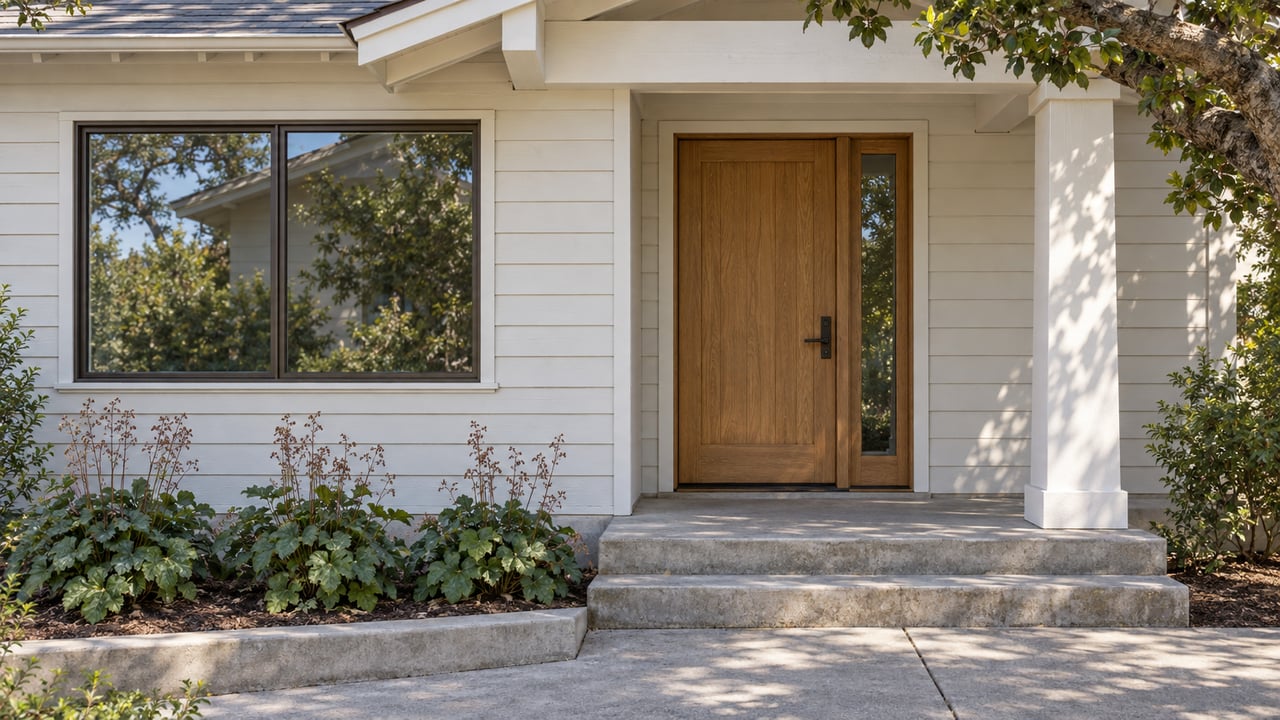
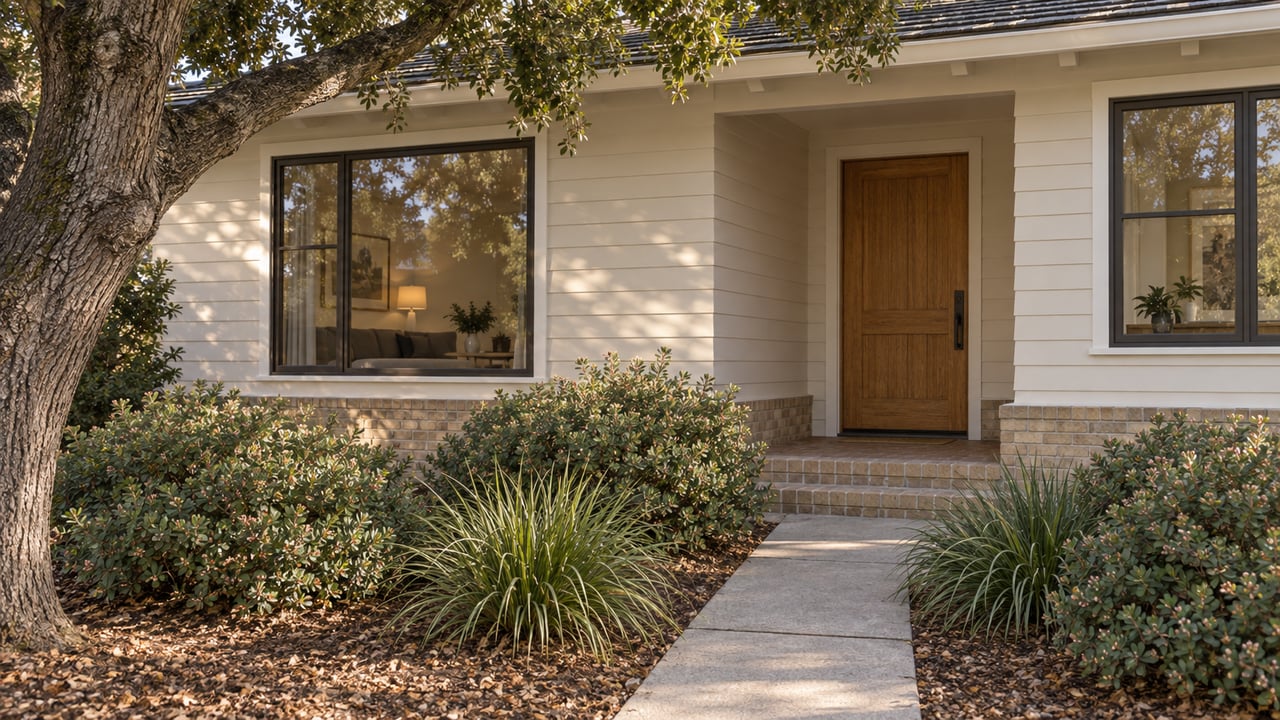
Most homes are single‑family, many from the mid‑20th century. You’ll see ranch homes, thoughtful remodels, and newer rebuilds. Lots can be larger in the western and southwestern pockets, which allows for outdoor spaces, ADUs, or future additions, subject to city rules.
Daily life and access
West Menlo is more car‑oriented than downtown areas, but you’re a short drive to Stanford, Sand Hill offices, and I‑280 or US‑101. Local parks and the broader Peninsula trail network are within reach. If you prioritize quiet streets and elbow room, West Menlo delivers that experience.
Allied Arts: Walkable and near downtown
The feel
Allied Arts sits near Menlo Park’s downtown along Santa Cruz Avenue. It is one of the most walkable areas in the city, with dining, coffee, and shops a short stroll away. The Menlo Park Caltrain station is nearby, which adds commuting flexibility.
Homes and lots
Housing includes smaller single‑family homes, historic bungalows, cottages, and select attached properties near the core. Many homes have been updated, and you may find occasional duplexes or small multi‑family buildings closer to downtown. If you want a neighborhood feel with conveniences close by, this area is a strong match.
Daily life and access
Living here puts you near restaurants, services, and community events downtown. Caltrain offers another option for trips to San Francisco or San Jose, and rideshare is easy. You can balance a neighborhood pace with an urban‑adjacent lifestyle.
Sharon Heights: Club‑adjacent living and variety
The feel
Sharon Heights is a southern Menlo Park neighborhood historically associated with the Sharon Heights Country Club area. The setting blends residential streets with access to recreational amenities and the Sand Hill and Willow Road corridors.
Homes and lots
You’ll see a range of single‑family homes on medium to larger lots, plus pockets of condos and townhomes. Some communities offer gated or membership‑based amenities. If you prefer a variety of property types and potential access to private club facilities, Sharon Heights is worth a close look.
Daily life and access
Daily routines are shaped by quick connections to 101 and 280, plus Sand Hill Road. You can pair residential calm with convenient commuting and recreational options nearby. Verify any club or community amenities and membership requirements when you evaluate specific properties.
Commute and transit overview
Caltrain serves Menlo Park at the downtown station, with northbound service to San Francisco and southbound service to San Jose. Schedules and express service vary, so check current Caltrain service when planning commutes. Local and regional driving depends on US‑101 and I‑280. SamTrans provides bus service; explore routes and frequencies via SamTrans bus routes. Allied Arts offers the shortest walk to Caltrain and downtown. West Menlo and Sharon Heights provide quicker access to Sand Hill Road and I‑280, with more driving involved for everyday errands.
Schools and enrollment tools
Menlo Park is served by multiple elementary and middle districts, with most high school students assigned within the Sequoia Union High School District. For current boundaries and enrollment steps, always verify with the districts directly:
- Menlo Park City School District: review maps and enrollment on the Menlo Park City School District site.
- High school assignments: confirm boundaries and programs with the Sequoia Union High School District.
- For additional school research, you can review third‑party profiles on GreatSchools. Treat these tools as one input and verify details with the districts.
Use district maps rather than assumptions or third‑party listings, since attendance boundaries can change. Private school options are also nearby in the broader Peninsula area. Keep in mind that assignments are not guaranteed by neighborhood name alone.
Market context and pricing signals
Menlo Park ranks among the highest‑value markets in the Bay Area. After very strong activity through 2021, the market cooled in 2022 and 2023, with variation by neighborhood and property type. Larger and luxury single‑family homes typically remain in strong demand due to limited supply and a stable executive buyer base. Condos and smaller homes can be more sensitive to mortgage rates.
Seasonality still matters. Spring and early summer often bring more listings and more showings. For pricing, work with your agent to pull an up‑to‑date neighborhood snapshot from the MLS. When you cite price ranges, include the date of your data pull and the property type. If you are comparing West Menlo, Allied Arts, and Sharon Heights, filter comps to each area and similar home styles for a clear read.
Property and inspection considerations
Many homes here date to the mid‑century, which brings common inspection themes. Plan to evaluate foundations and soils, roof age, electrical and plumbing updates, and termite reports. Seismic retrofits are common due to regional earthquake risk. Pool and spa compliance may also apply. For older homes, a well‑documented pre‑listing inspection package helps sellers present clearly, and it helps buyers move decisively.
Jumbo financing is typical for the area. Budget for standard Bay Area contingency timelines and be ready for shorter escrow windows on competitive listings. For property taxes, California’s Proposition 13 limits assessed‑value growth after purchase, but your base value resets at transfer. You can review parcel and assessment details with the San Mateo County Assessor.
Zoning, ADUs, and planning
Single‑family zoning is common across Menlo Park, with multi‑family uses concentrated in specific areas. California has expanded Accessory Dwelling Unit rights, and many buyers and owners add ADUs for flexibility or income. Always confirm feasibility and permitting with the city before you plan a project. The City of Menlo Park planning resources will point you to the General Plan, zoning code, and any neighborhood overlays or tree ordinances that affect remodels or additions.
Development policy continues to evolve across the Peninsula. Regional housing mandates and local planning work aim to balance jobs, housing, and traffic. If a major project could influence your street or commute, review recent City Council agendas and local coverage before you bid or list.
Environmental and hazard factors
Bayfront‑adjacent and low‑lying areas near the marsh may face flood or future sea‑level‑rise exposure. Even if your target home is inland, run a quick hazard check. Start with the FEMA Flood Map Service Center and regional planning updates from the Association of Bay Area Governments. Earthquake risk is a standard California consideration; older structures may benefit from seismic upgrades. Menlo Park also has tree preservation rules that can affect remodels, so confirm any removal or replacement requirements with the city.
How to choose your best fit
Use this quick process to narrow your options:
- Clarify daily life. List three non‑negotiables like walkability, lot size, or commute. Allied Arts tends to lead on walkability; West Menlo and Sharon Heights offer larger lots and quick access to Sand Hill.
- Match housing stock. If you want a mid‑century ranch to remodel, focus on West Menlo. If you prefer a lower‑maintenance townhome or condo, explore pockets in Sharon Heights and near downtown.
- Verify school logistics. Confirm attendance areas with the Menlo Park City School District and Sequoia Union High School District rather than relying on a listing description.
- Check hazards and permitting. Use FEMA maps, review city planning guidance, and confirm whether any sewer or local compliance rules apply to your target home.
- Pull hyper‑local comps. Filter the MLS to each neighborhood and property type. Compare lot size, bed/bath count, updates, and time on market rather than just list price.
Selling in West Menlo, Allied Arts, or Sharon Heights
The right strategy balances pricing precision with premium presentation. In today’s conditions, well‑priced and well‑staged homes in desirable micro‑pockets can still draw strong interest. Pricing too high risks longer days on market. Consider pre‑list repairs for visible items and safety issues, or plan appropriate credits if timing is critical.
Your disclosure package should be complete and easy to digest. Include inspection reports, local hazard disclosures, and any required city forms. Some transactions may involve sewer lateral or local compliance steps, so confirm early. Coordinate your launch with seasonal patterns to maximize exposure, and be ready to evaluate back‑up offers.
Next steps
Whether you lean toward the calm streets of West Menlo, the walkability of Allied Arts, or the variety of Sharon Heights, the best move is an informed one. A focused plan, clear comps, and the right negotiation strategy will set you up for success. For planning, permitting, or neighborhood questions, the City of Menlo Park planning site is a helpful starting point, and transit resources like Caltrain and SamTrans make commute planning easier.
If you are weighing a purchase or preparing to sell, connect for a discreet, data‑driven conversation tailored to your goals. Request a confidential valuation or a targeted tour to compare the neighborhoods side by side. Reach out to Stephanie Von Thaden to start a plan that fits your timeline and priorities.
FAQs
How do West Menlo, Allied Arts, and Sharon Heights differ in daily lifestyle?
- West Menlo offers quieter, residential streets; Allied Arts is more walkable to downtown and Caltrain; Sharon Heights blends residential calm with access to club‑adjacent amenities and major corridors.
What commute options serve these Menlo Park neighborhoods?
- Caltrain serves downtown Menlo Park, while US‑101 and I‑280 anchor regional driving; SamTrans buses and rideshare fill gaps depending on your route and schedule.
How should I verify school assignments before buying in Menlo Park?
- Use official district tools: confirm address assignments with the Menlo Park City School District and Sequoia Union High School District, and treat third‑party sites as secondary references.
Are condos or townhomes available in Sharon Heights?
- Yes, Sharon Heights includes pockets of attached housing alongside single‑family homes; verify HOA details, fees, and any membership‑based amenities on a property‑by‑property basis.
What inspections are common for mid‑century homes in Menlo Park?
- Expect evaluation of foundation and soils, roof, plumbing and electrical upgrades, termite reports, and seismic retrofit needs, plus pool/spa compliance where applicable.
Where can I check flood or sea‑level‑rise risk for a Menlo Park property?
- Start with the FEMA Flood Map Service Center and regional planning updates via the Association of Bay Area Governments, then order a property‑specific hazard report during due diligence.