Drawn to glassy atriums, clean lines, and the easy flow of mid‑century design? In Palo Alto, Eichler homes offer all of that in a rare package. If you are considering one, you want to understand what makes these homes special, what to look for during due diligence, and how to modernize without losing the character you love. This primer gives you the hallmarks, the pitfalls, and the practical steps to buy with confidence. Let’s dive in.
Why Eichlers matter in Palo Alto
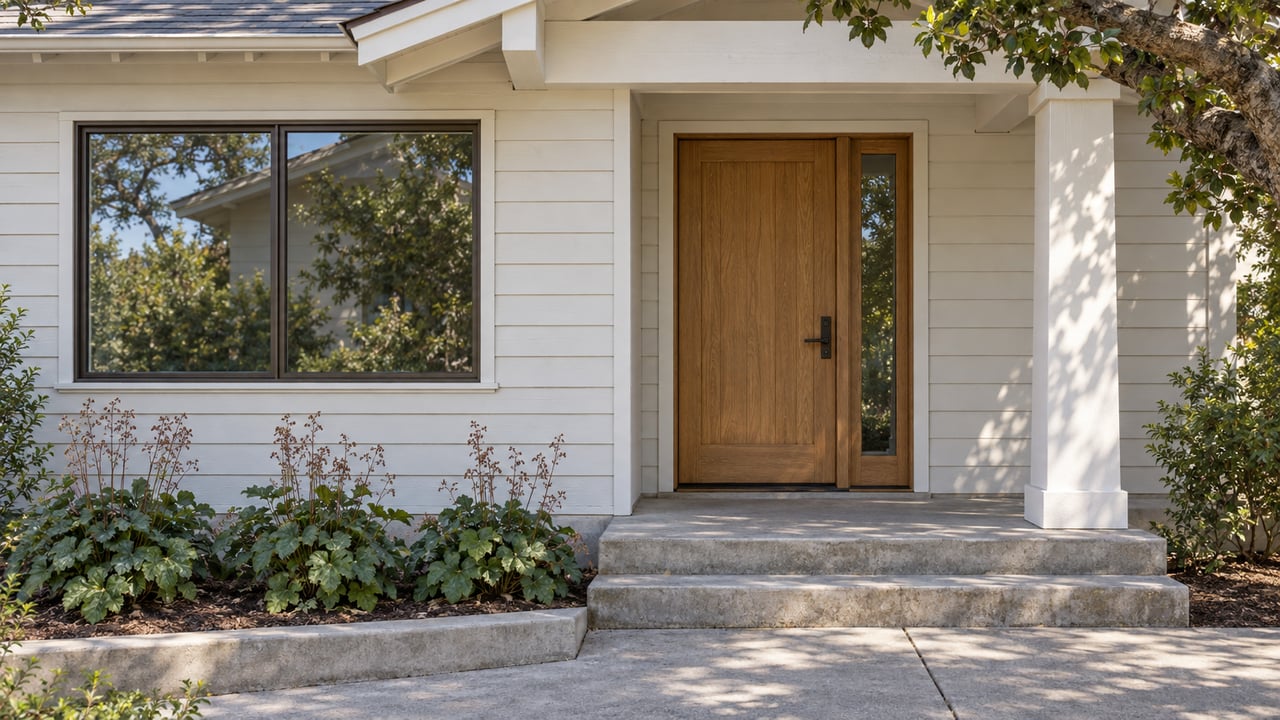
Joseph Eichler’s company built roughly 11,000 modern homes across California between 1949 and 1966. Palo Alto received several tracts during that period, and those pockets are now sought after for their postwar modernist design. You will find open plans, indoor‑outdoor living, and a strong emphasis on light and structure. In a tight Palo Alto market, well‑preserved or sensitively updated Eichlers often draw strong interest.
Eichlers stand out because they were designed for everyday living, not just for architectural show. The layouts encourage connection to the outdoors and efficient use of space. In Palo Alto, scarcity adds to the appeal. You will see a mix of renovation‑ready options and rare listings with intact original details.
How to spot an Eichler
Visual hallmarks
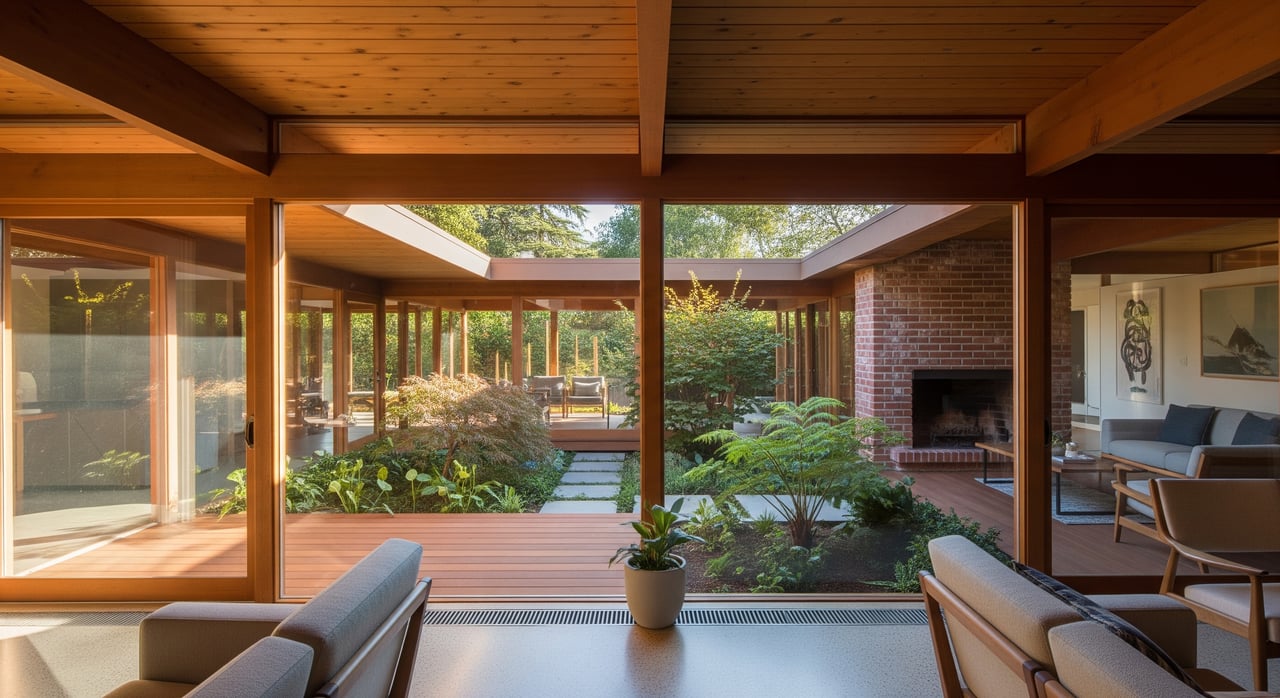
- Post‑and‑beam structure. Look for exposed beams and minimal interior load‑bearing walls that allow open rooms and long sightlines.
- Atrium layouts. Many models center on an interior open‑air atrium that brings light deep into the home.
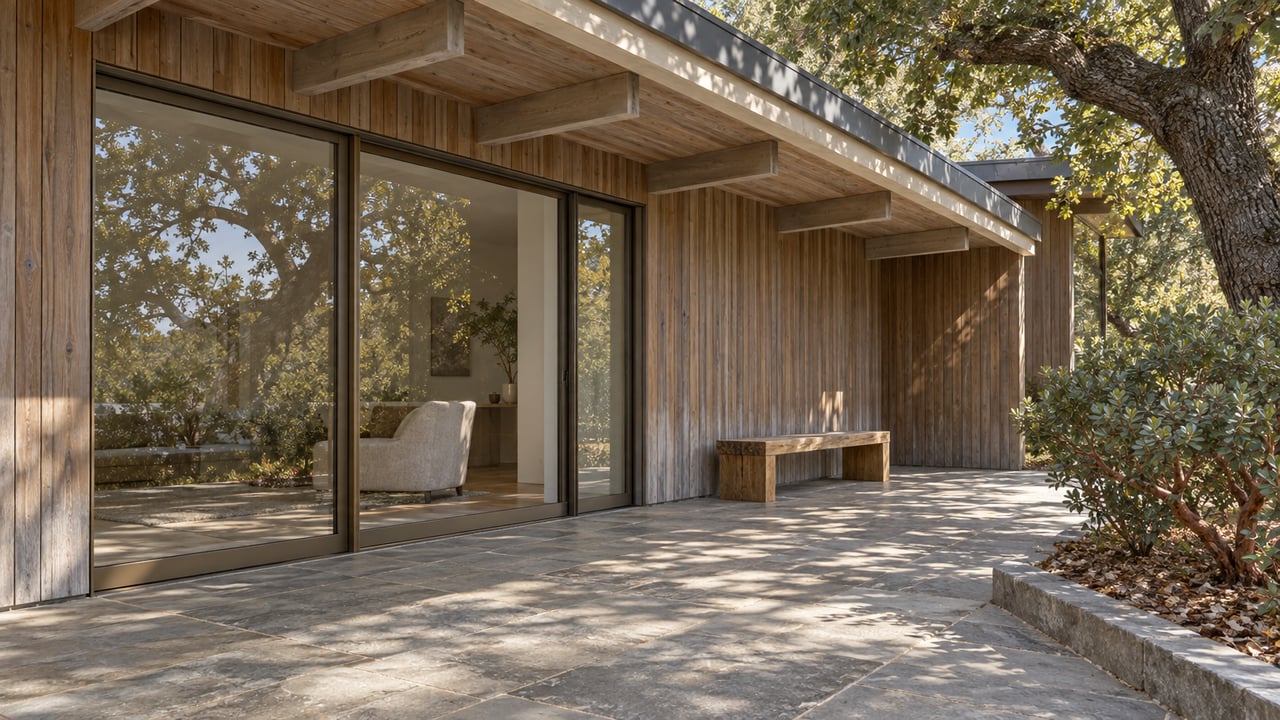
- Floor‑to‑ceiling glass. Broad glass walls and clerestory windows create privacy while keeping spaces bright.
- Flat or low‑pitched roofs. Deep overhangs and a distinctive, horizontal profile are common.
- Sliding glass doors. Continuous views connect living areas to patios and yards.
- Radiant floor heating. Many originals use hydronic tubing in the concrete slab.
- Minimalist finishes. Thin brick fireplaces, built‑ins, and wood siding are typical in original examples.
Interior and mechanical signs
- Original paneling and cabinetry. Narrow oak or plywood paneling and integrated storage often remain in well‑kept homes.
- Concrete slab floors. Some have wood flooring over slab. The slab and radiant system can influence your HVAC choices.
Variants and architects
Eichler collaborated with firms such as A. Quincy Jones, Jones & Emmons, and Anshen + Allen. Plans vary by tract, and certain models carry different atrium configurations or bedroom wings. If you want to preserve or restore, a mid‑century‑savvy agent or architect can identify the model type and its implications for updates.
Preservation and modernization
Common issues to inspect
- Slab and radiant heat. Original hydronic tubing can be costly to repair. Confirm if it works and whether the slab limits plumbing changes.
- Roof and drainage. Low‑slope roofs, skylights, and atriums are prone to leaks if membranes, flashing, or drains are aging.
- Single‑pane glazing. Original glass can be drafty and noisy. Many buyers plan upgrades while protecting the clean profiles.
- Foundation and seismic. Many Eichlers predate modern seismic codes. Look for anchoring, shear walls, and permit history of retrofit work.
- Termites and rot. Exposed wood and older siding details can harbor damage. A thorough pest inspection is essential.
- Electrical and plumbing. Older wiring or galvanized pipes may remain. Budget for upgrades to meet current code.
- Asbestos and lead risk. Mid‑century materials can contain hazardous substances. Use testing before any disturbance.
Smart upgrades that respect the design
- Climate control. Ductless mini‑split systems can offer discreet comfort without lowering ceilings for ductwork. Some owners restore or replace radiant systems.
- Glazing improvements. Double‑pane replacements or interior storm panels can boost efficiency while preserving thin sightlines.
- Insulation. Roof insulation helps significantly. Wall insulation should be added with methods that avoid damaging exterior profiles or interior paneling.
- Kitchen and bath updates. Keep openings, ceiling height, and sightlines. Avoid blocking views with heavy upper cabinets.
- Atrium repair and use. Address waterproofing and drainage first, then plan finishes that enhance year‑round use.
- Flooring. Refinish original wood where possible or choose period‑sensitive materials that complement the minimalist style.
Balancing authenticity and comfort
Original details can carry a real premium among Eichler enthusiasts. Unpainted wood, intact built‑ins, and original window proportions add value. At the same time, energy and seismic improvements increase comfort and resale potential. If budget is tight, phase the work: start with roof and water management, then seismic, then HVAC, then glazing and insulation.
Your buyer checklist
Pre‑offer research
- Historic status. Verify any designation through the City of Palo Alto’s Planning Division and Historic Resources Inventory for the property address.
- Community resources. Review Eichler‑focused publications and homeowner groups for tract history and model types.
- Document review. Request roof and atrium work history, mechanical reports, termite reports, and permits for past upgrades. Ask if original plans are available.
Inspection essentials
Share this list with your inspector:
- Structural and seismic. Foundation condition, evidence of retrofit, and adequacy of shear reinforcement.
- Roof and atrium. Low‑slope membrane condition, flashings, skylights, and atrium waterproofing and drainage.
- HVAC, plumbing, electrical. Function of radiant heat, presence of modern cooling or mini‑splits, piping type, electrical capacity, and wiring condition.
- Exterior envelope. Siding health, window frames, grade and drainage away from the house, and signs of moisture intrusion.
- Pest and hazards. Termite and dry rot inspection, plus testing for asbestos and lead where original materials are present.
- Permits. Confirm permits for major prior work. Unpermitted changes can complicate the sale and future projects.
Decision factors
- Degree of originality. Weigh historic character against your comfort expectations. Highly original homes may need more work.
- Upgrade budget. Set conservative allowances for roof, seismic, HVAC, glazing, and insulation, even if the home shows well.
- Resale profile. In Palo Alto, sensitive modernization tends to perform well. Over‑alteration of key features can reduce appeal to design‑minded buyers.
Financing and insurance
Lenders may require extra inspections or repairs if they spot unpermitted work, electrical or plumbing issues, or structural concerns. If the original radiant system does not function, expect to show a plan for a compliant primary heat source. Insurers may ask about older roofs or any history of water intrusion, so gather documentation and understand coverage requirements early.
Where to find Eichlers in Palo Alto
Practical search methods
- Model and tract guides. Use Eichler‑focused directories and restoration resources for city‑by‑city tract information.
- County records. Search Santa Clara County property data for 1950s to mid‑1960s build years and known tract names.
- MLS filters. Use keywords like “Eichler,” “mid‑century modern,” “post‑and‑beam,” and “atrium,” plus build years roughly 1950–1965.
- Neighborhood groups. Connect with local owner associations and online forums to learn about upcoming listings.
- City planning. The City of Palo Alto Planning Division and Historic Resources Inventory can point you to recognized tracts and studies.
Neighborhood notes
Palo Alto contains recognized Eichler examples, though online writeups can be incomplete. Use the methods above to confirm exact parcels and tract boundaries. If inventory is limited in your target pocket, consider nearby cities with Eichler tracts such as Mountain View, Sunnyvale, and Redwood City to widen your options while keeping a similar architectural style.
Local pros and organizations
- Eichler education and restoration resources. Owner guides, articles, and contractor referrals focused on Eichlers.
- Mid‑century architects and contractors. Look for professionals experienced with post‑and‑beam structures and atrium waterproofing.
Working with specialists who understand Eichler systems and permitting will save you time and preserve architectural integrity.
Work with a mid‑century‑savvy advisor
Buying an Eichler in Palo Alto is equal parts architecture and due diligence. The right advisor helps you identify authentic features, price the upgrade path, and navigate city permits and vendor selection. You get a home that lives beautifully now and holds long‑term appeal.
If you want a discreet, data‑driven partner with deep Mid‑Peninsula knowledge, connect with Stephanie Von Thaden. You will get thoughtful guidance, targeted search strategies, and introductions to trusted inspectors, architects, and contractors who know Eichlers.
FAQs
What makes an Eichler different from other Palo Alto homes?
- Eichlers feature post‑and‑beam construction, floor‑to‑ceiling glass, indoor‑outdoor flow, and atrium‑based plans that create bright, open living spaces.
Are Eichlers energy‑efficient, and how can you improve them?
- Originally they were not, due to single‑pane glass, minimal insulation, and slab heating; most buyers add insulation, upgrade glazing, and install efficient HVAC.
Will you have trouble getting permits to modernize an Eichler in Palo Alto?
- Major changes require City of Palo Alto permits, and historic status or tract rules may apply; working with experienced architects and contractors helps streamline approvals.
How much should you budget for seismic and HVAC upgrades on an Eichler?
- Costs vary by size and condition; plan meaningful allowances during due diligence, especially if the home lacks seismic anchoring or needs new primary heating and cooling.
Can you keep the open plan while updating kitchens and baths in an Eichler?
- Yes, period‑sensitive updates preserve sightlines and avoid partitions that disrupt the clean, open layout and the home’s architectural intent.
Do Eichlers appreciate more than other home types in Palo Alto?
- Performance depends on market cycles and the quality of preservation; well‑maintained Eichlers with sensitive upgrades often perform well in Palo Alto’s strong market.
Where can you research historic status before making an offer on an Eichler?
- Check the City of Palo Alto Planning Division and Historic Resources Inventory for the property address, and consult Eichler‑focused directories for tract context.