Thinking about adding an ADU to your Woodside property but not sure where to start? You are not alone. Between state law, local zoning, septic capacity, and wildfire requirements, the path can feel complex. This guide breaks it down so you understand what is allowed, how to get approved, what it might cost, and how an ADU could impact your long-term plans. Let’s dive in.
What qualifies as an ADU in Woodside
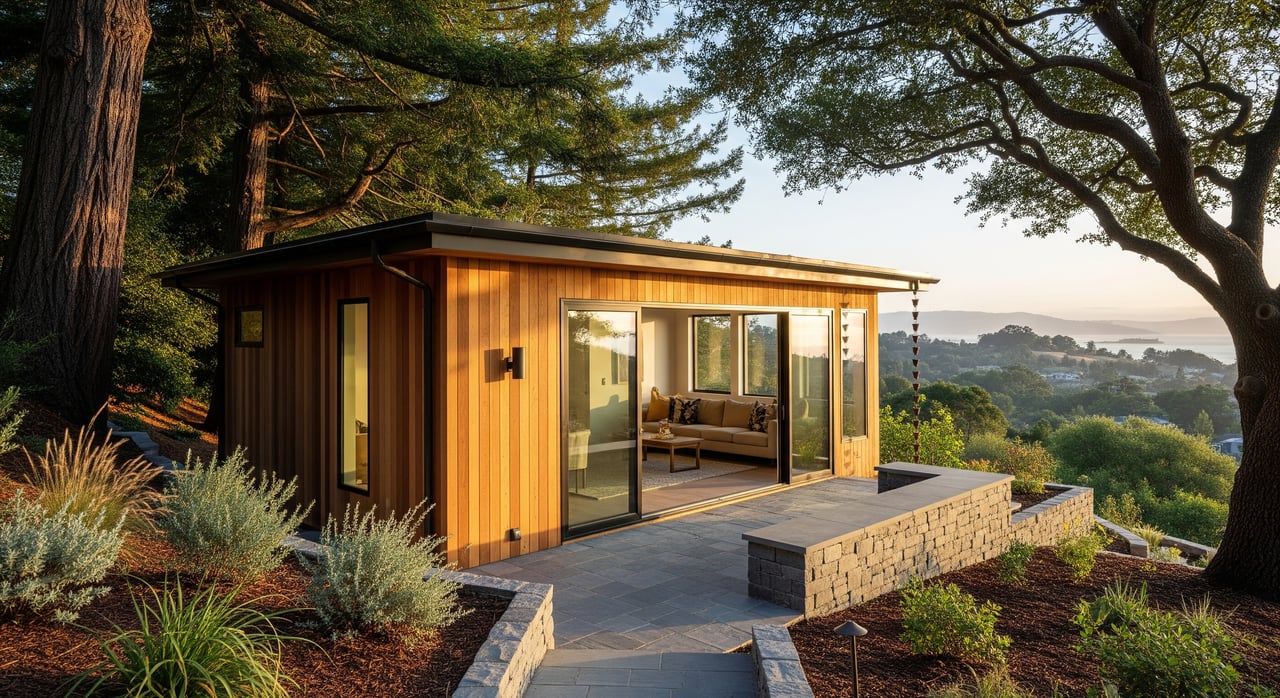
An accessory dwelling unit is a self-contained home on the same lot as your primary residence. It includes sleeping, cooking, and sanitation facilities. You can build a detached unit, attach it to your home, or convert existing space like a garage or basement.
A junior accessory dwelling unit, or JADU, is smaller. It is typically 500 square feet or less and created within your home’s existing footprint. JADUs often convert a bedroom and add a limited kitchen.
Common Woodside approaches include garage conversions, an attached addition, or a detached backyard unit on larger lots. Your site conditions and utilities often determine the best path.
How California ADU law shapes Woodside
State law requires cities and counties to allow ADUs and approve qualifying applications ministerially. That means if your plans meet the standards, the town must issue permits without discretionary hearings.
Key state-law principles you should know:
- Size and design: The state sets minimums for what local jurisdictions must allow and prevents overly restrictive size caps. Local codes can allow more.
- Parking: In many cases, state rules limit or remove local parking requirements for ADUs. Rural conditions may still lead to onsite parking requirements if feasible.
- Fees: Impact and connection fees must be proportional, with protections for smaller units.
- Owner occupancy: Many local owner-occupancy mandates were preempted, with narrow exceptions.
Woodside implements state law through its municipal code and planning procedures. The town can apply objective standards on setbacks, height, and design, and it must consider site constraints common in Woodside.
Local factors that shape feasibility
Zoning, setbacks, and coverage
Woodside applies local zoning and design standards consistent with state law. Expect objective requirements for setbacks, height, and lot coverage that may vary by zoning district. Design review may apply to exterior changes, especially for detached units.
Septic and wastewater capacity
Many Woodside homes use private septic systems. The San Mateo County Environmental Health Department will review whether your system can handle additional wastewater from an ADU. You may need to:
- Document septic capacity for added bedrooms and occupants.
- Upgrade or replace your system to meet current standards.
- Connect to public sewer if available and required.
Septic feasibility is often the gating item for ADUs in Woodside. Address this early to avoid delays.
Fire safety and emergency access
Woodside’s wildfire risk drives additional safety measures. Local fire agencies typically require defensible-space clearances, ignition-resistant materials, and sometimes sprinklers. They also review driveway grades and widths, turnarounds, and water supply for fire suppression. Expect these requirements to influence siting and design.
Trees, slopes, and geology
Significant tree cover and hillside terrain are common. Tree protection rules may affect siting and can require permits for removal and replacement. Steeper lots often need geotechnical input, engineered foundations, and erosion control. These conditions can increase cost and timeline.
Parking and driveway access
State law limits some parking mandates, but in a low-transit, semi-rural setting like Woodside, you may still need at least one parking space if feasible. Driveway geometry and slope can determine what is practical.
Historic areas and HOAs
If your property sits in a historic district or is subject to HOA covenants, additional design review or private restrictions may apply. HOA rules can limit rentals or exterior changes. Review these upfront.
The Woodside ADU approval process
Step 1: Early feasibility checks
Start by confirming whether your parcel is within Town of Woodside limits or in unincorporated San Mateo County, as that changes which rules apply. Then evaluate zoning, setbacks, lot coverage, and whether you are on septic. Contact your water provider and electric utility to confirm service capacity. It is also smart to ask your local fire agency about defensible space and access requirements.
Step 2: Schedule a pre-application meeting
A pre-application consultation with planning staff can save time and money. You can identify potential red flags early, such as tree conflicts, slope or geologic constraints, and septic needs.
Step 3: Prepare and submit your application
A complete package typically includes a site plan, floor plans, elevations, utility plans, existing-condition photos, and any required design review materials. If you are on septic, include a wastewater feasibility report. You may also need a tree report or geotechnical input depending on your site.
Step 4: Department reviews
- Planning checks zoning compliance, setbacks, and design standards.
- Building reviews structural plans, foundation, and energy compliance.
- Environmental Health verifies septic capacity or sewer connection permits.
- Fire reviews access, defensible space, and suppression needs.
- Utilities confirm water and electric requirements or upgrades.
Step 5: Permits, inspections, and occupancy
Once reviews are complete and fees are paid, the town issues building permits. Inspections occur at key milestones such as foundation, framing, and final. After you pass final inspections, you receive a certificate of occupancy for the ADU.
How long it takes
Ministerial approvals are faster than discretionary reviews, but site factors often set the pace. A realistic expectation in Woodside is several months from feasibility to final permits, commonly 3 to 9 months. Septic upgrades, hillside work, or environmental permits can extend timelines.
Design and construction considerations
Site and topography
Hillside work, retaining walls, and drainage drive complexity and cost. Sloped sites may require specialized foundations or piers. Plan for erosion control and stormwater management.
Fire-hardening and defensible space
Given local wildfire risk, expect ignition-resistant roofing, siding, and windows, ember-resistant vents, and vegetation clearance around structures. Sprinklers may be required depending on size and code triggers. These features improve safety and can support permit approvals.
Utilities and energy
Older main homes may need electrical panel upgrades to support an ADU. Factor in water meter or service requirements and potential sewer connection fees if applicable. Title 24 energy rules apply, and many projects consider heat pumps, efficient water heaters, and solar readiness.
Accessibility and livability
Think about long-term use. A ground-level entry, wider doors, and a simple floor plan can support aging in place. JADUs have limits on separate kitchen facilities and are created within your home’s footprint, which can be a good fit if you want a smaller, more cost-effective unit.
Costs, financing, and value
What drives cost in Woodside
- Type of unit: Conversions generally cost less than new detached construction.
- Site work: Grading, retaining walls, and hillside engineering add cost.
- Septic and utilities: System upgrades and connection fees can be significant.
- Fire and access: Fire-hardening and access improvements are common line items.
There is no single price that fits every project. Your site and scope will shape budgets more than anything else.
Ways to finance an ADU
Common options include home equity loans or lines of credit, cash-out refinancing, construction loans, and personal loans. Some county or state programs periodically offer ADU financing or grants for certain projects. Availability changes by year, so check current San Mateo County or California HCD programs.
Taxes, insurance, and rentals
Rental income is typically taxable. New construction usually increases assessed value for property taxes to reflect the improvement. Update your homeowners insurance to cover an additional unit, especially if you plan to rent it. Short-term rental rules are local and can be restricted by HOAs, so review the applicable ordinances and covenants before listing.
Quick action checklist
- Confirm jurisdiction to determine whether Town of Woodside or San Mateo County rules apply.
- Request the local ADU ordinance and pre-application process from planning staff.
- Contact San Mateo County Environmental Health to evaluate septic capacity early.
- Speak with the local fire agency about defensible space, access, and water needs.
- Get utility capacity guidance from your water provider and electric utility.
- Review HOA covenants if applicable for ADU and rental restrictions.
- Consider a pre-app meeting and site walk with a local contractor and, if needed, a septic engineer and geotechnical engineer.
- Build a budget that anticipates septic work, tree mitigation, fire-hardening, and possible utility upgrades.
How an ADU fits your buy or sell strategy
If you plan to sell in the next few years, a well-permitted ADU can broaden buyer appeal and support value, especially when documentation is organized. Keep plans, permits, final inspections, and any septic approvals in an easy-to-share packet.
If you are buying, evaluate ADU potential during due diligence. Confirm jurisdiction, septic capacity, tree protections, and wildfire access before you commit to a design. Clear feasibility can shape your offer strategy and long-term use plan.
When you want a discreet, data-informed perspective on how an ADU may influence your property’s value, timeline, and buyer pool, connect with a trusted local advisor. For a confidential conversation about your Woodside options and market impact, reach out to Stephanie Von Thaden.
FAQs
Can I build an ADU on my Woodside property?
- In most single-family zones, state law allows ADUs and the town must implement rules, but feasibility depends on septic capacity, trees, slope, utilities, and objective design standards.
How large can a Woodside ADU be?
- State law sets baseline size caps and limits overly restrictive local rules, while Woodside’s code defines allowed sizes for each type; confirm current limits with planning staff.
Will I need to upgrade my septic system for an ADU?
- Possibly, since many homes use private septic; Environmental Health often requires proof of capacity, and some systems need upgrades or replacement before approval.
Are parking spaces required for a Woodside ADU?
- State law reduces parking mandates in many cases, but in a rural setting local agencies may still require at least one space if feasible based on site access and driveway conditions.
How long does ADU permitting take in Woodside?
- Ministerial approvals are faster than discretionary reviews, but plan for several months from feasibility through permits, commonly 3 to 9 months, with more time for complex sites.
Can I rent my ADU short-term in Woodside?
- Short-term rentals are controlled by local ordinances and private HOA covenants where applicable; verify the current rules before advertising any short-term stay.