Craving a bigger yard, a little more privacy, and room for everyone’s gear? If you are upsizing from a Redwood City townhome, you are not alone. The local market still moves fast in the most desirable segments, so planning your budget, neighborhood fit, and timing is key. In this guide, you will see current prices, where to find more space, and how to structure your sale and purchase with less stress. Let’s dive in.
Redwood City market at a glance
As of January 2026, Redfin reports a citywide median sale price of about $1.925 million and describes Redwood City as “somewhat competitive,” with a sale‑to‑list ratio slightly above 100% in recent months. Well‑priced homes can still attract multiple offers and sell quickly. You should expect to move fast once you find the right fit. Redfin’s market overview is a useful, current snapshot.
For single‑family homes only, MLS data compiled by the San Mateo County Association of REALTORS shows a Q1 2025 median sale price around $2.21 million, with an average lot size near 7,893 square feet in that snapshot. These SFH‑only figures help you gauge what upsizing will cost if you are targeting a detached house. See the SAMCAR Q1 2025 report for details.
Inventory is still thin in several price tiers. SAMCAR’s quarterly reports show months of inventory for Redwood City single‑family homes can swing from under 1 month to about 2 months depending on the quarter. Tight supply means your buy‑sell sequence and financing strategy matter. Review the SAMCAR Q4 2024 trends before you set your timeline.
Where to find more space
Hillside neighborhoods for yard and privacy
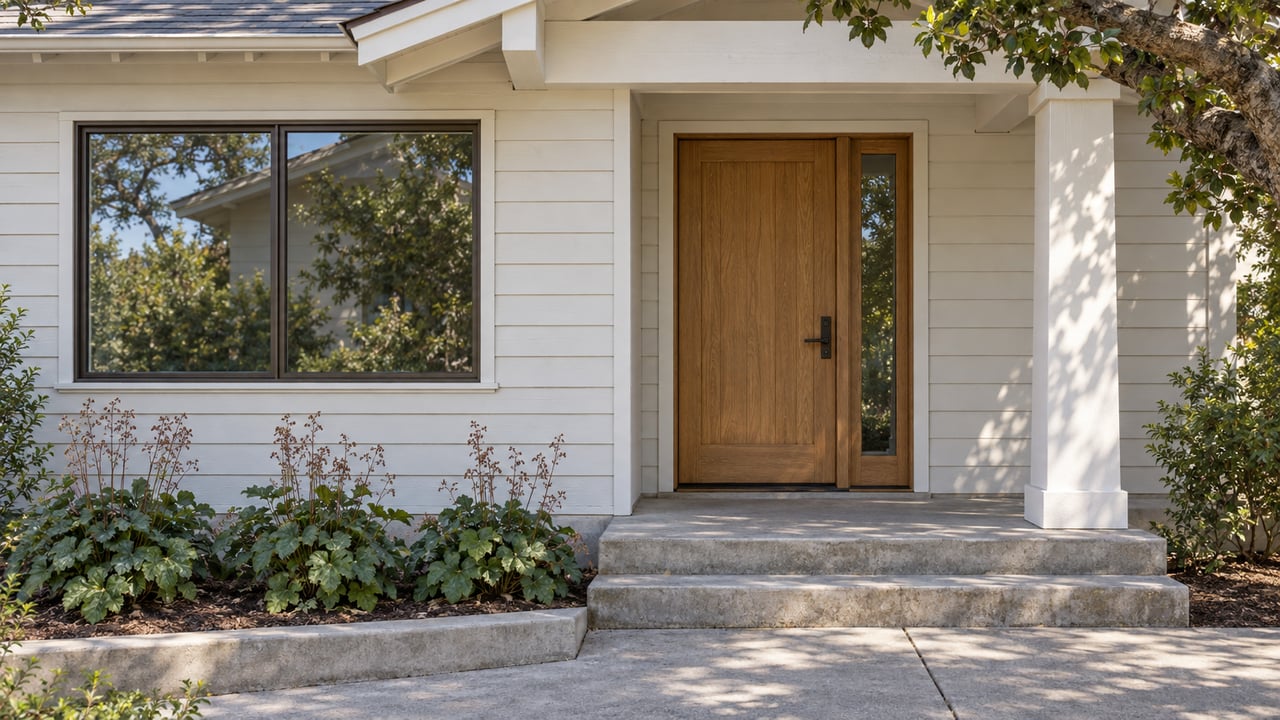
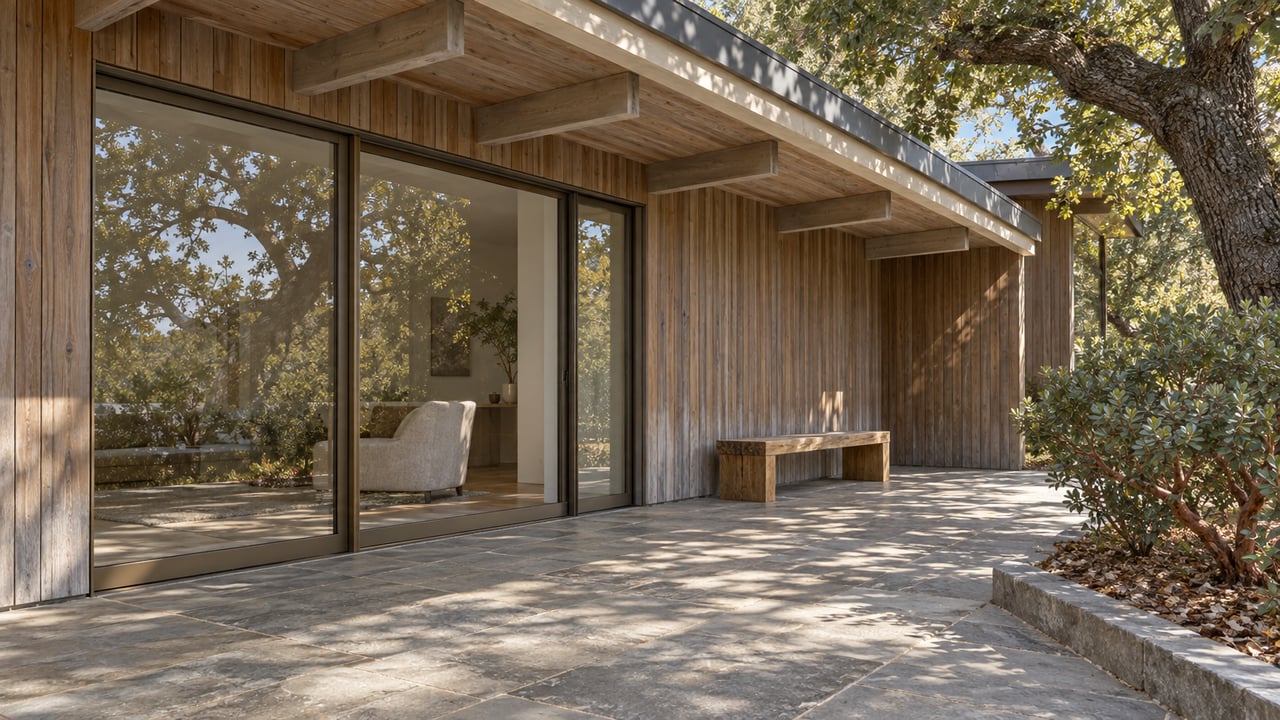
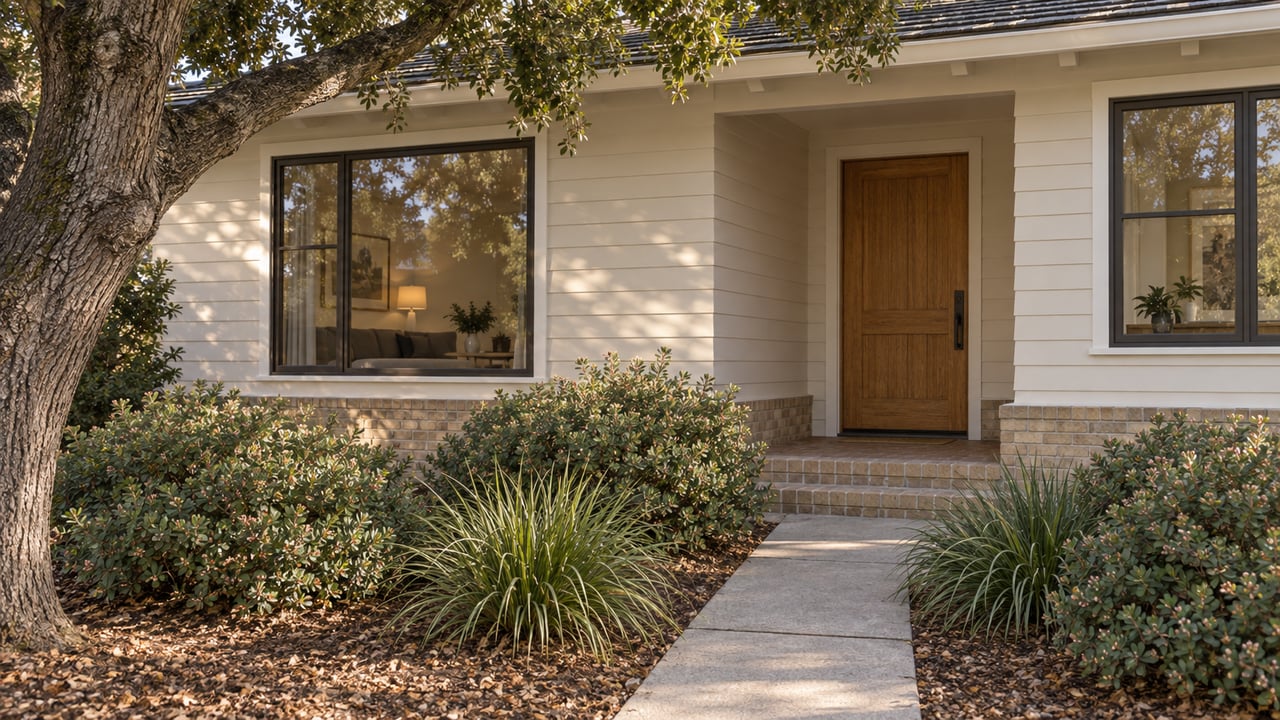
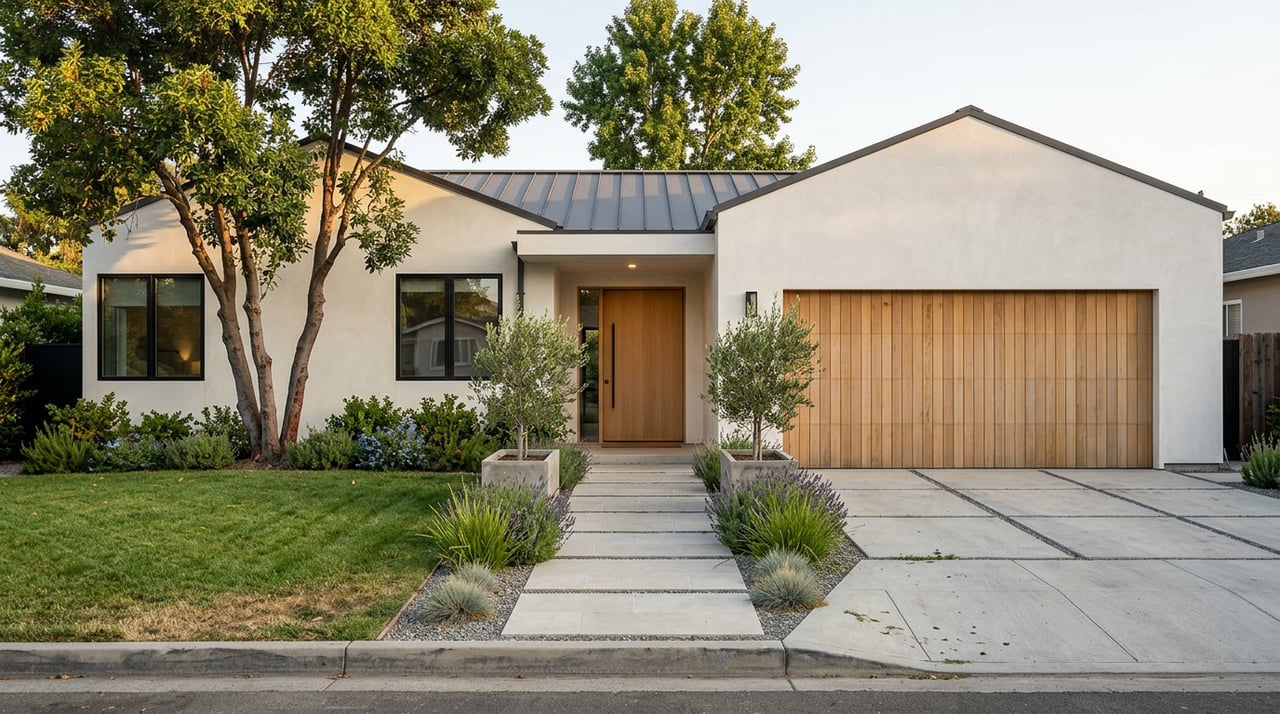
If a larger yard is your top priority, focus on Emerald Hills, Farm Hill, Mt. Carmel, and Edgewood Park. These hillside areas commonly offer larger, sometimes sloped, lots and single‑family homes with more separation and potential views. Listings in Emerald Hills, for example, often show lot sizes from about 7,500 square feet to much larger estates, which helps explain price premiums for land and outlooks. Explore the area context through Redwood City’s neighborhood list and browse lot examples via Emerald Hills neighborhood listings.
City planning documents note that only a minority of parcels in Redwood City exceed 7,500 square feet. Larger lots are relatively scarce, which is why buyers pay more for them in the hills. See the city’s Housing Element for zoning and lot‑size distribution context in this planning document.
Central and Downtown for convenience
If you want walkable access to shops, dining, and the Caltrain station, look around Downtown/Centennial and nearby central pockets. Yards are typically smaller, and you will see more townhomes and condos in these areas. The tradeoff is a simpler commute and a vibrant, central lifestyle. Neighborhood names and boundaries appear on the city’s official map.
Bayfront living in Redwood Shores
Redwood Shores offers lagoon and bayfront neighborhoods with a planned feel. Yards tend to be moderate, and you will trade hillside elevation for waterfront paths and a calm setting. For many upsizers, it is a balanced middle ground between yard space and convenience.
Budget the upsize gap
Your budget often comes down to the difference between your sale proceeds and the price of your target single‑family home. Two simple examples make the scale clear:
- Scenario A, conservative: A recent Redwood City median listing price near $1.425 million compared with the SFH median sale price of about $2.21 million in Q1 2025 creates a raw gap of roughly $785,000 before transaction costs. Sources: Realtor.com market snapshot and SAMCAR Q1 2025.
- Scenario B, alternate: Redfin’s Jan 2026 citywide sold median of about $1.925 million versus the $2.21 million SFH median yields a gap near $285,000 before costs. Sources: Redfin market overview and SAMCAR Q1 2025.
Use a quick worksheet to see your numbers:
- Estimated sale price of your townhome/condo
- Minus seller costs and prep (staging, repairs, commissions, transfer taxes)
- Equals net proceeds
- Target SFH purchase price
- Plus closing costs and prepaids
- Plus near‑term updates and moving costs
- Plus any carry costs if you overlap two homes
- Equals cash gap to fund
For recurring ownership costs, build a reserve for exterior maintenance, landscaping, and systems on a single‑family home. A homeowner expense guide outlines typical categories so you can plan a buffer. See this Realtor.com overview of homeowner costs for a helpful checklist.
Taxes, HOA dues, and ongoing costs
California’s Proposition 13 caps the general property tax rate at 1% of assessed value, with voter‑approved bonds and local assessments added on top. Effective rates vary by parcel. Always review the county tax bill and any assessment schedules before you make an offer. For a clear summary, see this Prop 13 explanation in a public filing.
HOA dues are common for attached homes and vary by project and amenities. If you are moving from a townhome, compare your current HOA dues with projected single‑family maintenance. Some monthly tasks shift from the HOA to you, which changes your cash flow. The homeowner expense guide is a good place to start building a plan.
Commute and daily life tradeoffs
Homes near Downtown Redwood City give you direct access to the Caltrain station and a simpler car‑free routine. Hillside neighborhoods are a short drive to I‑280 or US‑101, but you will often add 10 to 20 minutes of local driving to reach the train. Regional travel plans show typical US‑101 travel times from Redwood City to San Francisco on the order of 30 to 45 minutes depending on direction and peak conditions. See the region’s Congestion Management Program for context.
Buy‑sell sequencing and financing options
In a low‑inventory market, decide how you will bridge your move before you start touring:
- Sell first, then buy. This lowers overlap risk and financing costs. It can be harder if the right SFH is scarce, so timing and temporary housing matter.
- Buy before you sell with a bridge loan, HELOC, or cash reserves. Bridge products cost more and assume you can carry two homes for a short period, but they help you compete. Review this bridge‑loan primer to understand terms and tradeoffs.
- Make a sale‑contingent offer. In competitive segments, you may need to sweeten terms with short contingency windows, pre‑inspections, and proof that your current home is market‑ready.
- Use rent‑back and timing tactics. A short seller rent‑back, pre‑arranged escrow timelines, and staged moves can smooth your transition.
Use SAMCAR’s months‑of‑inventory ranges and Redfin’s sale‑to‑list data as signals. When supply dips and homes sell over ask, prepare the stronger path in advance.
Make your offer competitive
- Get underwritten pre‑approval or show proof of funds.
- Do inspections early where permitted and shorten contingency periods.
- Be flexible on rent‑back or closing timelines.
- Align your lender, escrow, and movers so you can close quickly when you win.
Your Redwood City upsize game plan
- Define your must‑haves: yard size, bedroom count, commute needs, and renovation comfort.
- Build a budget with two gap scenarios and a reserve for maintenance.
- Get lender pre‑approval and explore bridge or HELOC options if needed.
- Prep your current home: pre‑listing inspection, market‑ready pricing, and light cosmetic updates.
- Tour target neighborhoods to confirm tradeoffs between yard space and convenience.
- Choose your sequence: sell first for lower risk, or buy first to compete.
- Set your offer strategy: pre‑inspections, fast close, and clear proof of funds.
Ready to map a confident path from townhome to single‑family in Redwood City? Request a Confidential Home Valuation with Stephanie Von Thaden and get a tailored plan for your timing, budget, and neighborhood fit.
FAQs
What should I expect to pay for a single‑family home in Redwood City?
- MLS data shows a Q1 2025 SFH median around $2.21 million, while Redfin’s January 2026 citywide sold median across all home types is about $1.925 million, which frames the typical upsize premium.
Which Redwood City neighborhoods offer larger yards for upsizing?
- Hillside areas like Emerald Hills, Farm Hill, and Mt. Carmel commonly offer larger lots, and city planning notes that parcels over 7,500 square feet are relatively scarce, which supports premiums for land and privacy.
How will my property taxes change when moving from a townhome to a single‑family home?
- In California, the general rate is 1% of assessed value under Prop 13, plus voter‑approved bonds and local assessments, so check the specific parcel’s tax bill to see the final effective rate.
Is it better to buy before selling my townhome in a competitive Redwood City market?
- It depends on your risk tolerance: buying first with a bridge loan or HELOC improves offer strength but adds cost, while selling first lowers risk; low months of inventory suggest preparing both paths.
How might my commute change if I move from a central townhome to a hillside single‑family home?
- You will likely add 10 to 20 minutes of local driving to reach Caltrain, and typical US‑101 travel times to San Francisco are often in the 30 to 45 minute range depending on peak conditions.