If you price a Palo Alto luxury home by the citywide average alone, you may miss the buyers most likely to act. In a market where many homes already trade in the multimillion-dollar range, small pricing decisions can shape who sees your listing, how they compare it, and whether they feel it belongs in their search. This guide will show you why strategic pricing bands matter in Palo Alto, how micro-markets influence buyer behavior, and what a smarter pricing conversation should include. Let’s dive in.
Why pricing bands matter in Palo Alto
Palo Alto is not a market where “luxury” sits in one small corner. According to Redfin’s Palo Alto housing market data, the median sale price was $3.0 million in January 2026, with homes receiving an average of five offers and selling in about 28 days. Redfin also reported that homes closed about 4% above list on average, while hot homes could sell roughly 10% above list in around seven days.
That matters because your home is entering a market where the baseline is already high and competition is still active. A pricing strategy in Palo Alto is rarely about simply being “expensive enough.” It is about placing your home in the right competitive lane.
Zillow’s late January 2026 snapshot for Palo Alto showed an average home value of $3,543,666, with 51 homes for sale and 21 new listings. At the same time, the City of Palo Alto’s 2025-2030 Consolidated Plan notes limited housing growth over the last decade and a housing stock that is still dominated by detached single-family homes. In other words, supply remains constrained, and pricing precision matters.
Citywide averages can mislead
A citywide average can help set context, but it should not set your list price by itself. Palo Alto includes distinct micro-markets with very different value ranges, and buyers often shop within those narrower bands.
Zillow data highlights the spread clearly. University South was around $2.49 million, Midtown around $3.59 million, Greenmeadow around $3.51 million, Crescent Park around $5.32 million, and Professorville around $5.49 million. That range shows why your home should be priced against its closest alternatives, not against one broad city number.
If your property is in a neighborhood or architectural category that buyers evaluate separately, pricing to the wrong benchmark can create friction. You may attract the wrong audience, reduce early momentum, or miss buyers who are filtering within a very specific budget window.
Search filters shape exposure
Most buyers do not review every available home in Palo Alto. They narrow the field with online search tools, and price is one of the first filters they use.
Realtor.com’s search experience is built around location, price, rooms, and related criteria. The research report also notes that major portals like Zillow and Redfin rely on price-based filtering. That means if a listing sits just above a buyer’s ceiling, it may disappear from saved searches or filtered results, even if the home would otherwise be a strong fit.
In a market like Palo Alto, that visibility issue can be significant. Buyers are not comparing your home against every listing in town. They are often comparing it against a smaller group of homes that appear within a narrow search corridor.
Why a small pricing change matters
A modest list-price adjustment can do more than change the optics. It can change:
- Which buyers see the home online
- Which competing listings buyers compare it against
- Whether the property feels attainable within a buyer’s target band
- How much urgency the listing creates in its first days on market
For luxury sellers, this is where strategy becomes practical. Pricing is not only a valuation exercise. It is also a positioning tool.
Round numbers vs. precise pricing
You may have heard blanket advice about ending a list price in 9 or pricing just under a threshold. In reality, the research is mixed.
According to a ResearchGate summary of housing pricing studies, one field study found that some charm-priced homes achieved higher transaction prices than round-number listings. Another study found that a just-below price produced the worst negotiated outcome for sellers, while a high precise price produced the best.
The takeaway is simple: there is no one-size-fits-all rule. In Palo Alto, the right number depends on your likely buyer pool, the competing inventory, and the negotiation path you want to create. A strategic price should be intentional, not automatic.
Palo Alto micro-markets deserve tailored pricing
Palo Alto buyers often respond to details that go beyond square footage or bedroom count. Architecture, location, and even school attendance boundaries can influence which buyers engage with a home and how they value it.
Eichler neighborhoods
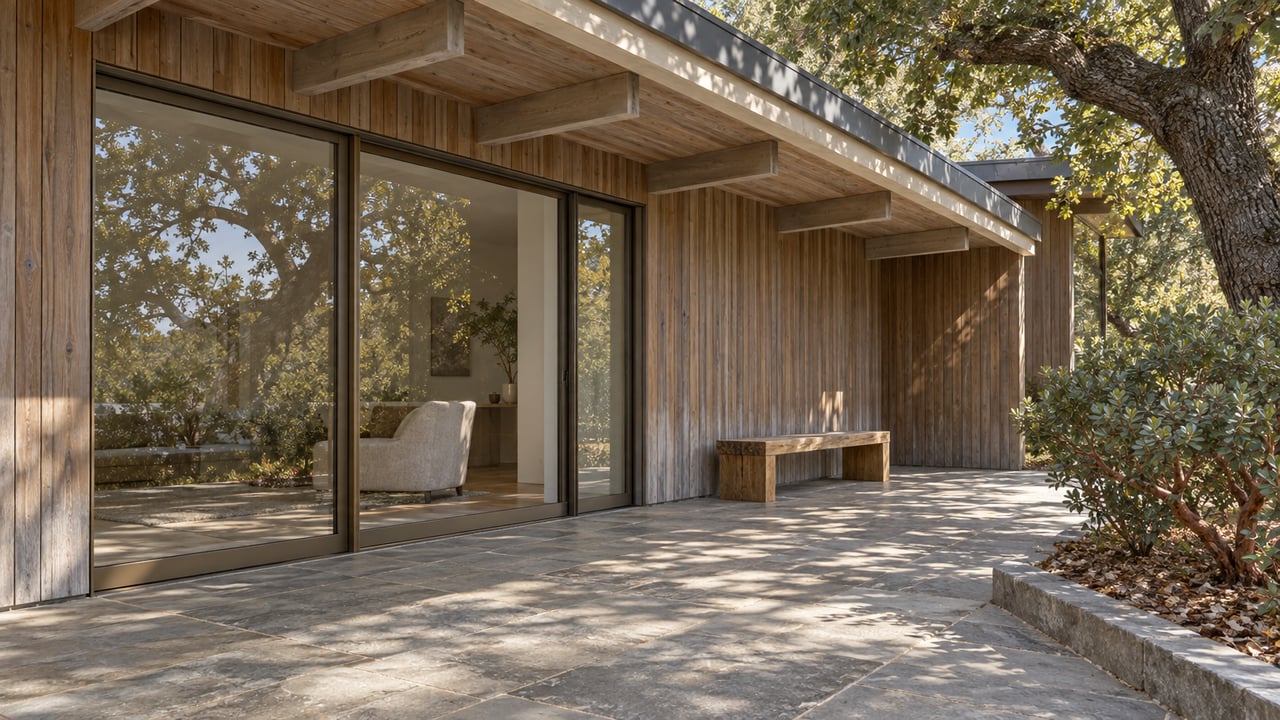
Palo Alto has a notable concentration of Eichler homes, and that matters in pricing. The City of Palo Alto’s Eichler design guidelines describe more than 2,000 local Eichler residences and note the architectural characteristics that make them distinct, including post-and-beam construction, broad eaves, internal courtyards, and extensive glazing.
That architectural identity can attract a different buyer pool than a conventional remodeled ranch or newer infill home. Scarcity, design authenticity, and preservation considerations may all influence how buyers compare these homes.
Greenmeadow shows this clearly. Zillow’s Greenmeadow home value page placed the average home value at $3,507,400 in late February 2026, while the research report cites Redfin data showing a January 2026 median sale price of $2.9 million, with homes averaging 11% above list and hot homes as much as 19% above list. That pattern suggests strong demand, but within its own band and buyer context.
New construction
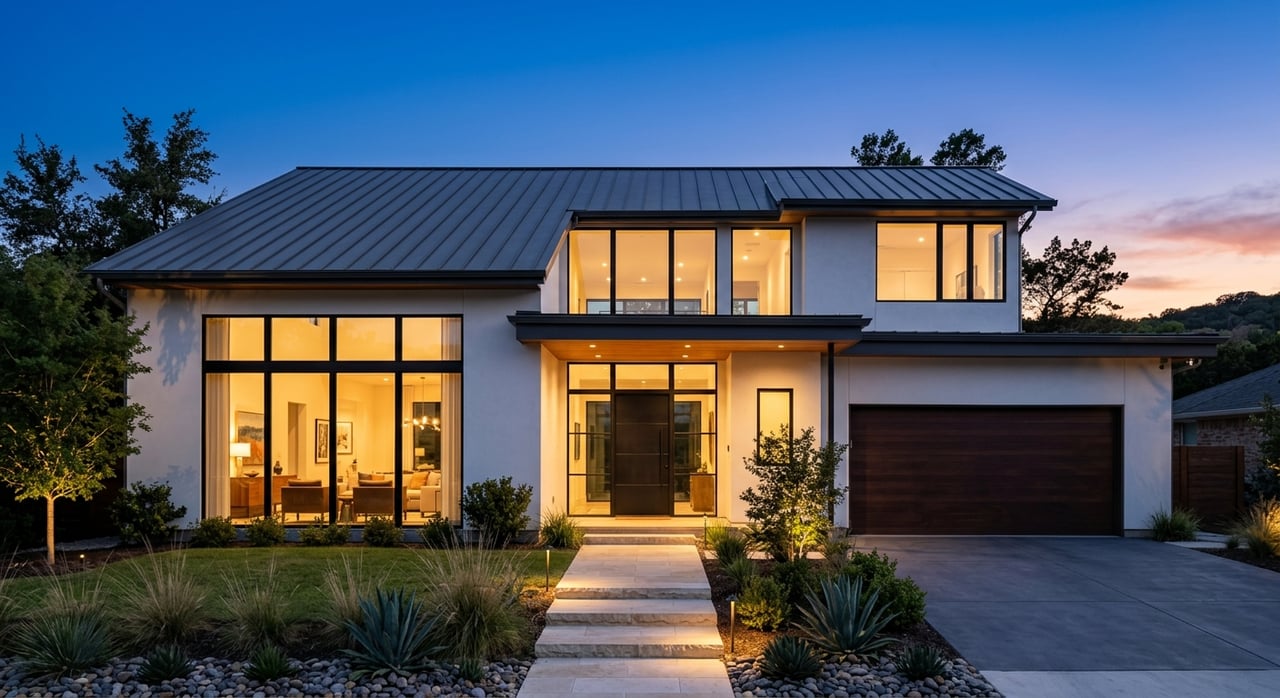
New construction can occupy a very different pricing lane from older homes, even in the same general part of town. Realtor.com’s Palo Alto new-construction search showed 19 new-construction homes for sale, with a median listing price of $2,997,499 and an average market time of 25 days.
The research report also references a recent Redfin new-construction listing in north Palo Alto that was listed at $4.988 million and sold for $5.11 million. That is a useful reminder that buyers may assign a separate premium to new-build inventory, and that your pricing strategy should reflect the category your home truly competes in.
School attendance areas
School-related demand can also affect pricing bands, but it requires careful, factual handling. PAUSD states that school assignment is based on residence within a school boundary, and that some Palo Alto addresses are not within PAUSD boundaries. The district advises residents to verify assignment through its School Finder.
For sellers, the practical point is that buyer demand can differ between attendance areas. Two homes with similar features may draw different levels of interest depending on where they are located. Pricing should reflect that local demand pattern while staying grounded in verified boundary information.
How to think about your pricing strategy
If you are preparing to sell in Palo Alto, a strong pricing conversation should go deeper than a city average and a simple price-per-square-foot estimate. It should consider how buyers will actually discover and evaluate your home.
A strategic approach usually includes:
- Your true competitive set within the relevant neighborhood or micro-market
- Search-band positioning so the home appears where your target buyers are looking
- Property category such as Eichler, new construction, or a more traditional single-family home
- Current market pace including how quickly comparable homes are selling and whether they are trading above list
- Buyer psychology around round-number thresholds and negotiation expectations
In Palo Alto, that kind of precision can have an outsized impact because the market is both expensive and segmented. The difference between one pricing band and the next is not just numerical. It can change your audience.
What sellers should remember
The strongest lesson from the current data is that list price is not a cosmetic choice. It is a market-entry strategy.
Palo Alto’s housing market combines high values, limited supply, and very specific buyer behavior. Buyers search by price ceilings, compare homes within narrow bands, and often respond differently based on architecture, location, and other local factors. When your price aligns with the right band, your home has a better chance to generate meaningful attention early.
If you are considering a sale, the goal is not simply to ask for more or less. The goal is to price with purpose, based on the buyer pool you want to reach and the micro-market your home actually belongs to. For a tailored, discreet strategy conversation, connect with Stephanie Von Thaden.
FAQs
What are pricing bands in the Palo Alto luxury market?
- Pricing bands are the budget ranges buyers use to search and compare homes in Palo Alto, often shaped by online filters and neighborhood-specific values.
Why does strategic pricing matter for a Palo Alto home sale?
- Strategic pricing matters because small changes can affect online visibility, buyer perception, and which competing homes your listing is judged against.
How do Palo Alto neighborhoods affect home pricing?
- Palo Alto neighborhoods can fall into very different value ranges, so a home in one micro-market should be priced against similar local alternatives rather than a citywide average alone.
Do Eichler homes in Palo Alto need a different pricing strategy?
- Yes, Eichler homes can attract a distinct buyer pool due to their architecture, scarcity, and preservation context, which can justify a tailored pricing approach.
How do school attendance areas affect Palo Alto home pricing?
- School attendance areas can influence buyer demand, but boundaries should always be verified directly with PAUSD before making decisions.
Should a Palo Alto seller use round-number or precise pricing?
- It depends on the property, buyer pool, and negotiation strategy, since research on charm pricing is mixed and no single formula works for every listing.