Are you torn between Atherton and Woodside for your next estate purchase? You are not alone. Both towns offer extraordinary privacy and prestige, but they deliver very different lifestyles and considerations. In this guide, you will learn how the two markets compare across land use, utilities, risk, access, and transaction complexity so you can buy with confidence. Let’s dive in.
Atherton vs. Woodside at a glance
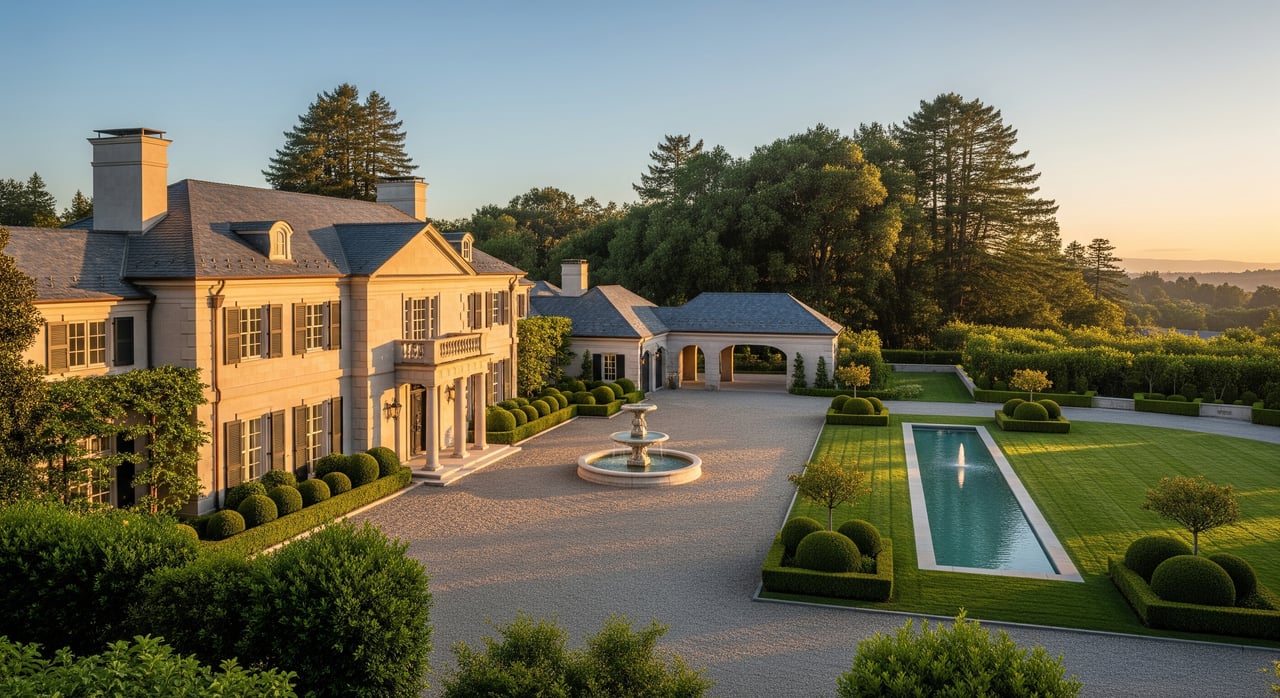
- Atherton: suburban and park-like with large, manicured parcels and architect-designed estates. Streets feel formal, topography is mostly flat to gently rolling, and utilities are typically straightforward.
- Woodside: rural to semi-rural with forested hills, expansive acreage, and equestrian or agricultural potential. Parcels vary widely, privacy is a hallmark, and topography can shape value and usability.
- Buyer profiles: Atherton often attracts buyers seeking prestige, proximity to Silicon Valley job centers, and quick access to services. Woodside draws those who prioritize land, seclusion, and a country lifestyle.
- Market positioning: Atherton is among the nation’s most expensive residential communities. Woodside is also high-end, with wider price variability due to parcel size, improvements, and terrain.
Property and land differences
Lot size and use
- Atherton: large lots are common, often around an acre or more, with consistent neighborhood scale. Expect pools, guest houses, and curated landscaping.
- Woodside: lot size ranges dramatically, from sub-acre sites to multi-acre ranches. You often see stables, barns, corrals, and private trails. Usable vs. gross acreage is a critical distinction.
Topography and usability
- Atherton: mostly flat or gently rolling, which simplifies design, landscaping, and site access.
- Woodside: hillside, ravines, and wooded settings are common. Soils, slope stability, and grading feasibility can drive both cost and allowable improvements.
Utilities and broadband
- Atherton: more properties connect to municipal water and sewer, with generally robust utility availability.
- Woodside: many estates rely on private wells and septic systems. Broadband and other utilities can vary by neighborhood, especially in more rural areas. Verify capacity and permits early.
Zoning and allowable uses
- Atherton: zoning prioritizes single-family estate character, with strict rules that limit subdivision and control design.
- Woodside: primarily single-family as well, but with more flexibility for agricultural and equestrian activities. Creek setbacks, slope constraints, and habitat protections may apply.
Lifestyle and access
Commute and transit
- Atherton: close to Menlo Park and Palo Alto, with relatively convenient access to 101 and nearby Caltrain stations in neighboring cities. Drives to major employers can be shorter.
- Woodside: rural roads and winding routes mean commute times can be longer and more variable, although Silicon Valley is still accessible by car.
Schools and education options
- Both towns connect to public and private school options across the Peninsula. Boundaries can be complex, and many estate buyers consider private schools. Always confirm current district assignments before purchasing.
Parks and recreation
- Woodside: trail networks, equestrian facilities, and nearby open-space preserves offer immediate access to outdoor recreation.
- Atherton: town parks and nearby country club access are common, with Bayfront and regional trails available in adjacent communities.
Services and retail
- Atherton: quick access to retail, dining, and professional services in Menlo Park and Redwood City.
- Woodside: everyday services are available, but you will often drive to nearby towns for a broader selection.
Risk, regulation, and due diligence
Wildfire and insurance
- Woodside: large areas sit within very-high fire hazard zones and the wildland-urban interface. Insurance underwriting and premiums can be challenging without mitigation. Plan early for defensible space and carrier requirements.
- Atherton: lower wildfire exposure overall, but standard California fire-safety practices still apply.
Flood, drainage, and slopes
- Atherton: low-lying parcels near creeks or channels can face flood considerations and may require flood insurance.
- Woodside: slope instability, erosion, and localized drainage issues can affect design and cost. Geotechnical review is often essential.
Septic, wells, and water
- Woodside: many homes use private wells and septic. System age, permit status, capacity, and water quality are pivotal to valuation and future improvements.
- Atherton: more municipal connections, but confirm at the parcel level. Some legacy systems or private irrigation wells may be present.
Trees and environmental rules
- Both towns enforce tree preservation ordinances. Mature and heritage trees can limit development and require permits for removal, pruning, or replacement.
Easements and historic or conservation limits
- Recorded easements, open-space or conservation restrictions, and potential historic protections can shape use, expansion potential, and value. Review title and local records early.
Smart buyer checklist
- Obtain preliminary insurance quotes as soon as you identify a target property, especially for Woodside.
- Confirm utility status: municipal water and sewer vs. private well and septic; verify permits and capacity.
- Order a full survey to distinguish usable vs. gross acreage and confirm boundaries.
- Review municipal planning, zoning, and tree ordinances with a local architect or civil engineer.
- Commission specialized inspections: geotechnical, septic, well yield and water quality, structural, pest, and tree health.
- Check FEMA flood maps, fire hazard severity zones, and county landslide or erosion maps.
- Evaluate access agreements for private roads, driveways, bridges, and gates.
- Confirm all structures and improvements are permitted, including guest houses, barns, and ADUs.
Transaction realities at the top end
Financing and appraisal
- Expect jumbo or super-jumbo financing with thorough documentation. Unique estates can challenge the appraisal process due to limited comparable sales.
- All-cash purchases are common, but even cash buyers benefit from pre-purchase valuation analysis and inspections.
Insurance and liability
- Wildfire exposure, equestrian facilities, and significant water features can increase insurance costs and require specialized coverage.
- Plan for higher umbrella limits and endorsements tailored to your property’s use.
Inspections and technical diligence
- Beyond standard home inspections, incorporate soils, septic, well, and environmental assessments where applicable. Confirm electrical capacity and utility infrastructure for current and planned uses.
- Align inspection timelines with contingency periods and confirm vendors can meet them.
Closing costs and taxes
- Confirm county and state transfer taxes, as well as any special district assessments. Property taxes are subject to state rules and local parcel charges. The San Mateo County Assessor can clarify parcel-specific details.
Resale and exit
- Atherton’s prestige helps support long-term marketability for well-located estates.
- Woodside’s larger acreages and equestrian features appeal to a specific buyer niche. Specialized improvements can enhance value for the right audience but may narrow the pool.
Which town fits your goals?
Choose Atherton if you want
- A formal estate setting with manicured grounds and architect-designed homes.
- Proximity to Menlo Park, Palo Alto, and major employment centers.
- Greater consistency in utilities and neighborhood character.
Choose Woodside if you want
- Expansive acreage, privacy, and a country lifestyle.
- Equestrian or agricultural uses, with room for barns, stables, and trails.
- Forested views and a more secluded setting, understanding the trade-offs in commute and utilities.
How to decide with confidence
- Define your top three priorities: proximity, land, or privacy. Let those drive your search.
- Vet insurance, utilities, and zoning constraints before you write an offer.
- Use nuanced comparables. For unique estates, supplement on-market comps with local insight and recent off-market sales.
Ready to compare specific properties side by side and map the trade-offs to your goals? For discreet, data-informed guidance and access to premium Mid‑Peninsula inventory, connect with Stephanie Von Thaden for a private consultation or to Request a Confidential Home Valuation.
FAQs
What makes Atherton unique for estate buyers?
- Atherton offers a suburban, park-like setting with large, manicured parcels, consistent utilities, and proximity to Silicon Valley job centers.
How does wildfire risk affect Woodside purchases?
- Many Woodside areas fall within very-high fire hazard zones, so insurers may require mitigation and premiums can be higher, which is why you should obtain quotes early.
Are utilities different between Atherton and Woodside?
- Atherton properties are more often on municipal water and sewer, while Woodside frequently relies on private wells and septic systems that require careful permitting and capacity checks.
Can I keep horses on a Woodside property?
- Woodside’s zoning can be more flexible for equestrian uses, but you should confirm specific parcel allowances, permits, and environmental constraints before purchasing.
What inspections are essential for hillside or rural estates?
- Add geotechnical, septic, well yield and water quality, tree health, and environmental reviews to standard home and pest inspections, plus a full boundary and usable-acreage survey.
How do property taxes work in San Mateo County?
- Property taxes follow state rules with local assessments layered in, so verify current rates and any parcel-specific charges with the county assessor before closing.